

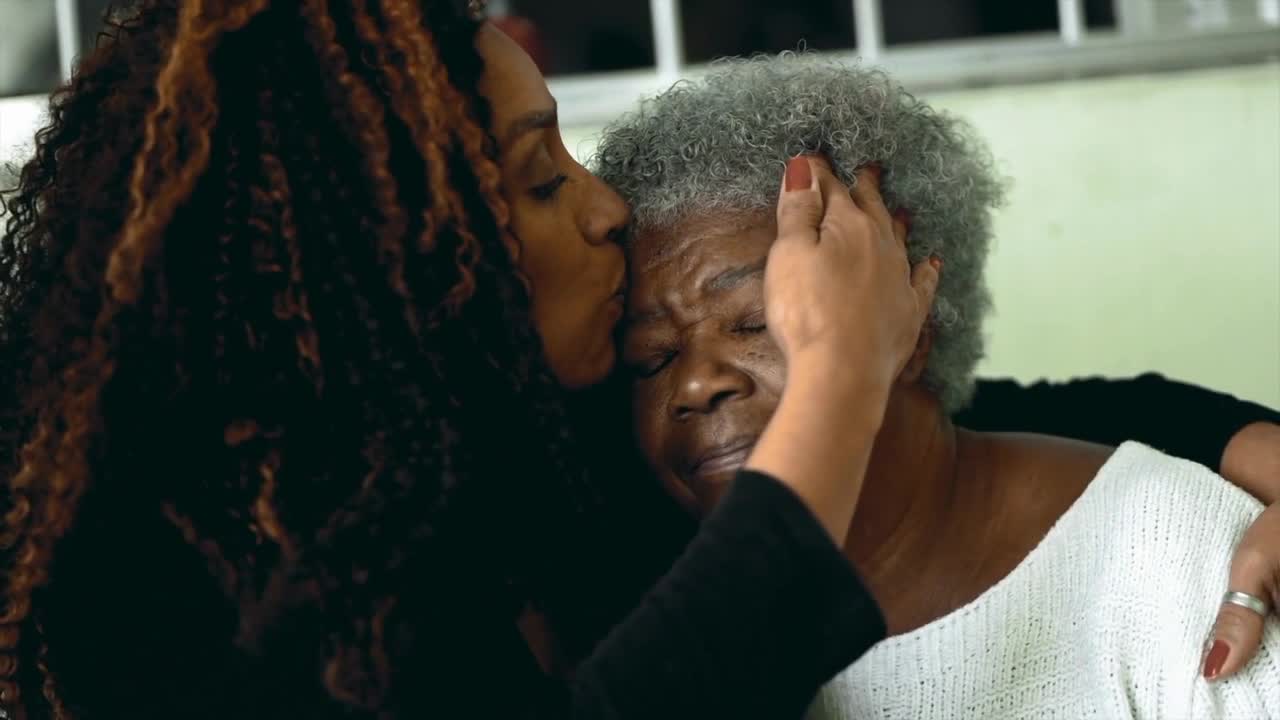


ANN ARBOR, Mich. — Black Americans are about twice as likely as White Americans to develop dementia, and researchers are still working to understand why.
A major study is now reconnecting with thousands of people first interviewed 25 years ago in hopes of finding answers.
See the full story from Whitney Burney in the video below
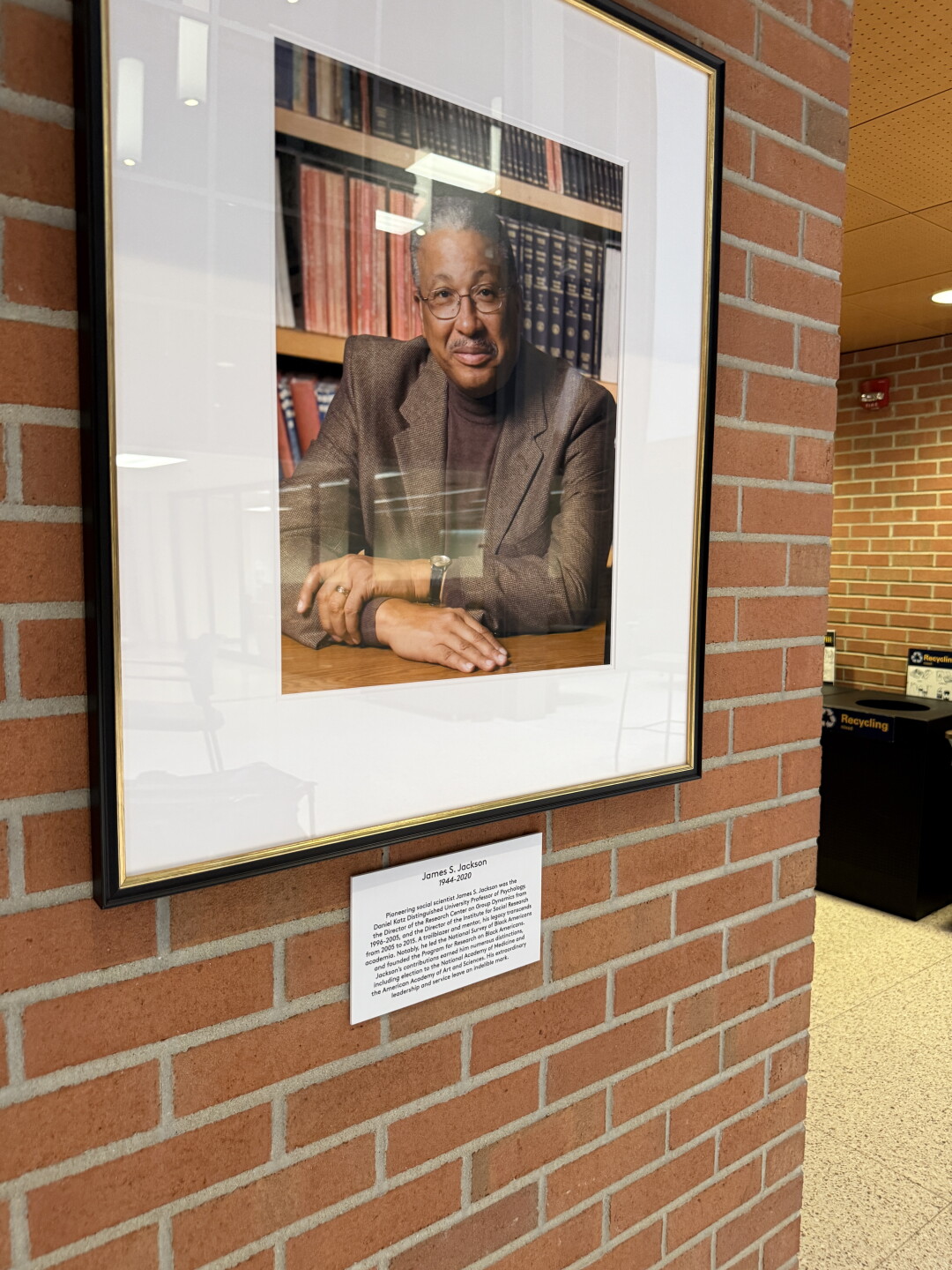
The National Survey of American Life (NSAL) began in 2001 led by Dr. James Jackson, one of America’s top social scientists.
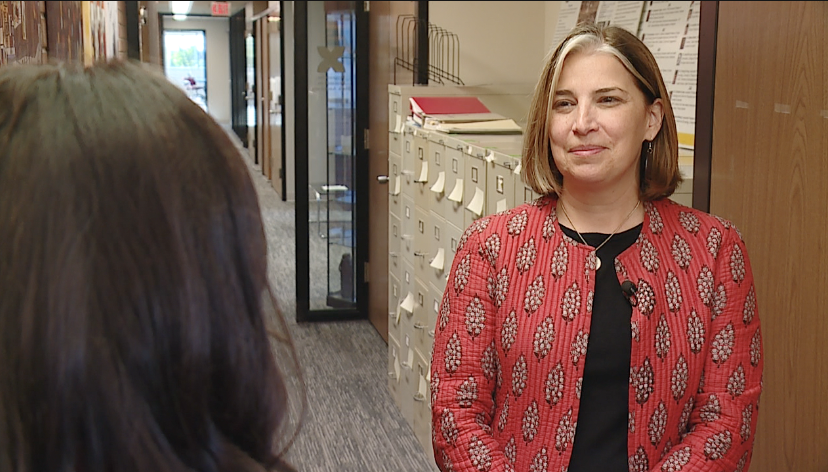
"The National Survey of American Life was begun in 2001 as the largest nationwide survey of mental health of black Americans and we are here today because 25 years later we are seeking to return to these same folks," University of Michigan Epidemiology Professor Briana Mezuk said. "Most research studies are like a snapshot, so, it’s one point in time. The 25 years later follow up of the National Survey of American Life is more like a movie. It’s an opportunity for us to understand how things that happened 10-20 years ago have shaped people’s health as they’ve gotten older."

The original survey sampled about 7,000 Black Americans and Afro-Caribbeans from across the country, including participants in Detroit, Grand Rapids and Kalamazoo. Participants ranged in age from 13 to people in their 70s. The study also included some non-Hispanic White families living in predominantly Black neighborhoods.
Researchers collected information on a wide range of social, environmental and health factors that may influence long-term health outcomes, including Alzheimer's and dementia risk.
According to the Alzheimer's Association, older Black Americans are twice as likely as their white counterparts to develop Alzheimer's or other forms of dementia.
"African Americans unfortunately have higher risk of developing dementia and tend to develop dementia at earlier ages. This is not just a health condition. This effects entire families, entire communities," Mezuk said.
"So we know that there is a disparity but we don't know what we can do about it," Mezuk said.
The NSAL is the only nationally representative survey of Black Americans mental health that has ever been conducted.
UCLA Associate Professor of Community Health Sciences Courtney Thomas Tobin is among the researchers developing the updated survey.
"I see this work as a labor of love. I think all of us, we're researchers, we care about Black health and understanding these issues because it's our families, our lives, our communities as well," Thomas Tobin said.

Thomas Tobin, along with Dr. Deborah Robinson and Post-Doctoral Fellow Dr. Eskira Kahsay, are part of the research team. Crews began revisiting people from the original study at the beginning of September.
Kahsay described the scope of the updated survey.
"This study is really comprehensive. So not only are we asking about people's social lives and psycho-social measures. There's also physical health and also the blood sample which will give us information about cardio metabolic health and things like cholesterol and diabetes risk," Kahsay said.
Robinson, the project manager for the NSAL says she has a special connection to the research after seeing her own father battle with Alzheimer's disease.
"A lot has happened in 25 years but a lot has also happened to the respondents in 25 years and we want to hear their stories and their stories are very important to us," Robinson said.
Wilma Stringer, a health advocate with the Healthier Black Elders Center in Detroit, has spent years educating Black seniors about their health. At 79, she said she welcomes any information that could lead to meaningful change.
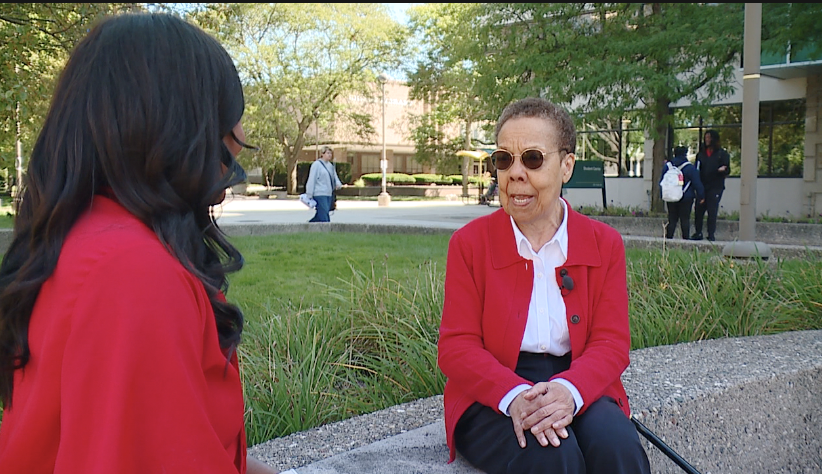
"I'm 79. I am an old person," Stringer said. "I have what they call preexisting conditions. Any information that I can get that will allow me to make a life change or behavioral change that will enhance my health, I'm all there for that."
The Healthier Black Elders Center has hosted educational sessions on a range of health topics. Stringer says Dementia risk is top of mind for many of the seniors she works with and inclusive research is essential to producing meaningful results.
"Remember, we're talking about African Americans who have routinely not been included in research and if you really want to get a good sample and really good results you get a diverse pool of people and that hasn't always happened," Stringer said.
She said the findings could benefit people of all ages.
"It will be helpful to younger people but also for older people who are alive," Stringer said. "It’s just more information for us to use and change whatever life patterns we need to change to improve our health."
In November, researchers will leave Michigan and begin interviewing original participants in places like Florida and Arizona. The work is expected to take about a year and a half. In the meantime, researchers say they are sharing real time information and advice with participants to help them improve their health.
This story was reported on-air by a journalist and has been converted to this platform with the assistance of AI. Our editorial team verifies all reporting on all platforms for fairness and accuracy.
