


(WXYZ) — October is Breast Cancer Awareness Month. Knowing your personal risk can help you make informed choices about screening and prevention.
Breast cancer is not only the second most common cancer among American women, it’s also the second leading cause of cancer death in the U.S. About 1 in 8 women will develop it in their lifetime. This year, it’s estimated that over 380,000 new cases of breast cancer will be diagnosed in women, and unfortunately, roughly 42,000 will die.
Now, both women and men can develop breast cancer at any age, although it’s less common in men. But the older you get, the higher your risk. Of course, there are other factors to consider, too. Family history is important, especially if a mother, sister or daughter has had breast cancer, or you have certain inherited genes.
To help people learn more about their cancer risk, the American Cancer Society has a new tool called CancerRisk360. It’s a free online assessment for anyone 18 and older. It asks about things like your personal and family health history, lifestyle and cancer screening history. Then it gives you an action plan based on your answers.
While this can be helpful, it is not a substitute for talking with your doctor and getting personalized medical advice.
One of the most common signs is a new lump. Also watch for skin changes, nipple discharge or any other change that is different from what you normally see. If you notice something, get it checked by your healthcare provider.
As for preventing breast cancer, there is no sure way to prevent it. But you can take steps to lower your risk. For example, maintain a healthy weight, stay physically active, avoid or limit alcohol and don’t smoke.
Also, it’s super important to get age-appropriate breast cancer screening. The most common is the mammogram — it can find breast cancer before you have symptoms, sometimes even before you can feel a lump. That matters because finding it early can make treatment more successful.
The good news is that breast cancer outcomes have improved tremendously. And death rates have been declining, likely because we’re finding cancers earlier and we have better treatments overall.
So, be sure to talk with your doctor about when and how often to screen for breast cancer.
This Week on the Dr. Nandi Show
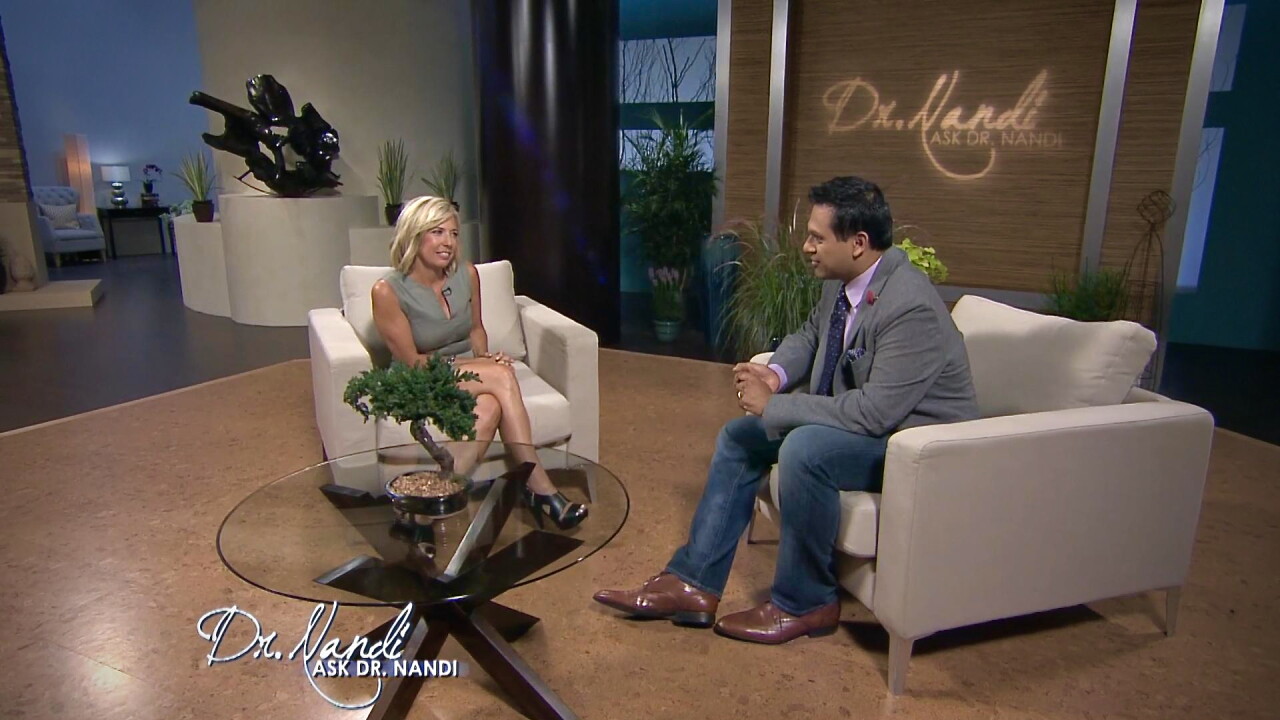
Dr. Partha Nandi, MD tackles a topic that affects millions of Americans: low sex drive. He explores some of the causes of decreased libido and what can help bring intimacy and desire back. A guest shares her experience with losing interest in sex after a hysterectomy, while an acupuncturist and clinical herbalist offer insight and possible solutions for getting your groove back. Tune in Monday, October 5th at 2:30 AM.
