



(WXYZ) — In today’s Health Alert, a new study estimates 21.5 million additional Americans may now qualify for statins to help prevent heart disease. The new guidelines now include adults as young as 30.
So what’s changed in the new guidelines to make so many more people eligible, and how did researchers determine that 21.5 million more Americans may now qualify for statins?
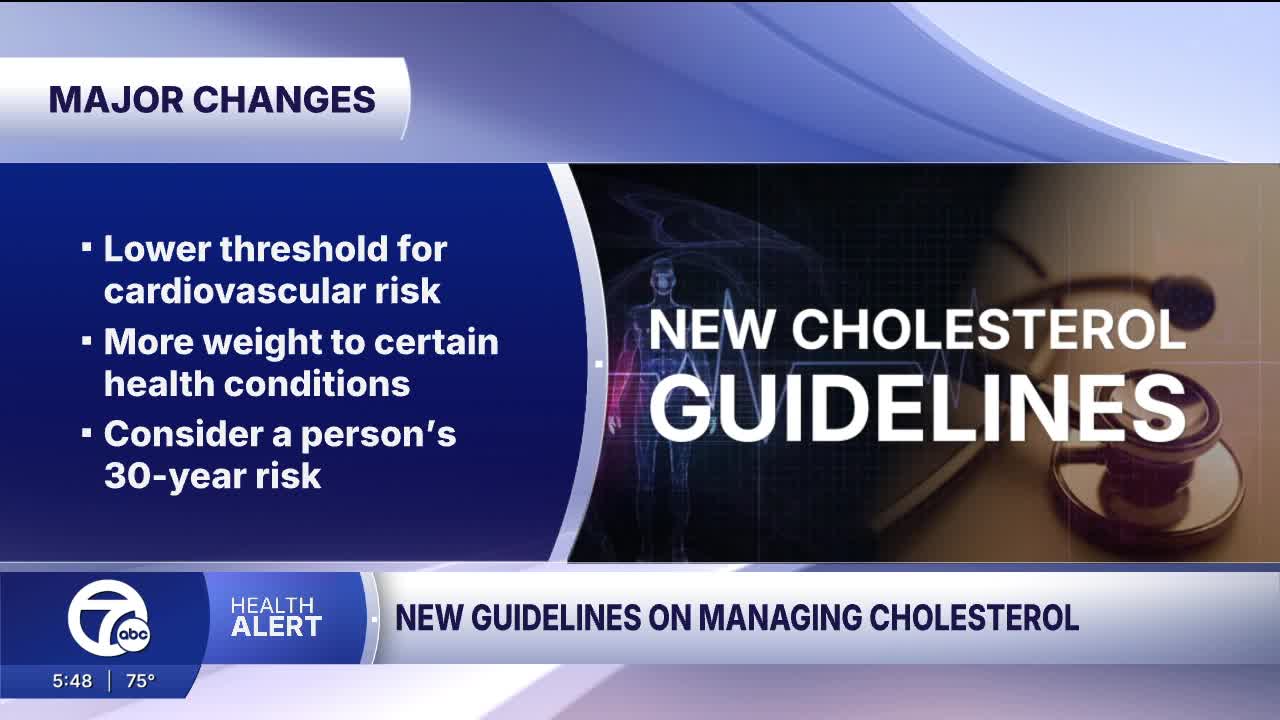
There are a few major changes. The guidelines now look at a wider age range, including adults as young as 30. They also lowered the thresholds used to determine cardiovascular risk, meaning more people may now be considered for statin therapy.
They give more weight to certain health conditions, like advanced kidney disease and HIV, that can raise heart disease risk. And finally, they now consider a person’s 30-year risk - not just their risk over the next 10 years - to help identify younger adults who may benefit from lowering cholesterol sooner.
Now, what the researchers did for their study was look at health data from more than 4,300 adults in a national survey, between the ages of 30 and 79. And when they applied the new guidelines, they found an estimated 21.5 million more adults may now be eligible to consider statin therapy to help prevent a first heart attack or stroke.
Being eligible doesn’t mean you automatically need a statin. It means it’s time to have a conversation with your family doctor about your cholesterol numbers, your overall health, your family history, and your personal risk.
For younger adults, their short-term risk may be low simply because of their age. But factors like high LDL, or “bad” cholesterol, high blood pressure, diabetes, smoking, or a strong family history can increase their long-term risk.
Now, if medication is recommended, the good news is that most people tolerate statins well. The most commonly reported side effect is muscle aches or weakness. If that happens, doctors can often adjust the dose or try a different statin.
Also, statins can slightly raise blood sugar, which may increase diabetes risk in some people who are already at risk. But for people with significant cardiovascular risk, the benefits generally outweigh that small risk.
So whether you’re taking a statin or not, lifestyle remains essential. A heart-healthy diet, regular physical activity, maintaining a healthy weight, controlling blood pressure, and not smoking are some of the most powerful ways to protect your heart.
And remember, the goal of these guidelines is not to put everyone on medication. It’s to identify risk earlier so people can make informed decisions.
