

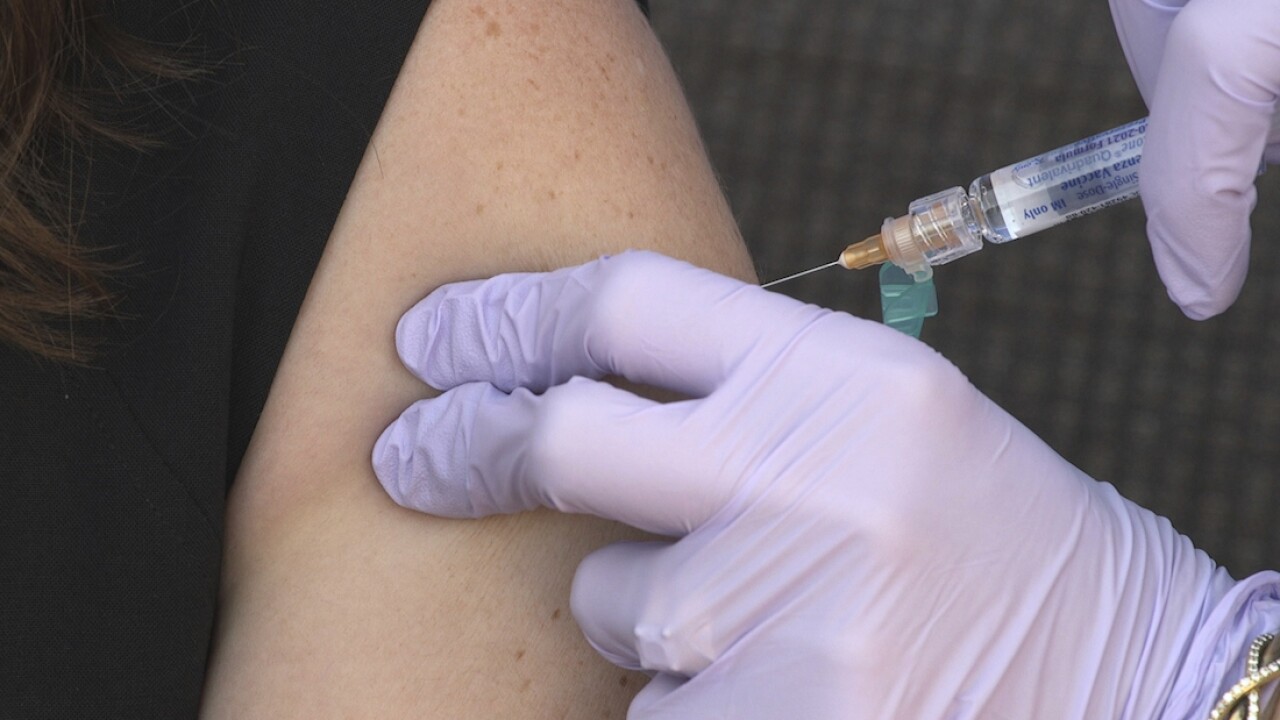

In today’s Health Alert, peak hospitalizations from COVID-19, flu, and RSV are expected to be similar to last season. That’s according to the CDC’s annual Respiratory Disease Outlook report. Doctors are urging people to prepare for the months ahead.
The CDC recommends an annual flu vaccine for everyone six months and older. That’s because flu can cause serious illness, especially in older adults and people with chronic conditions or weakened immune systems. Getting vaccinated is a way to help protect yourself.
There are different flu vaccines available, depending on your age and medical history. For example, adults 65 and older can choose high-dose or adjuvanted vaccines, which are designed to produce a stronger immune response.
The best time to get a flu shot is by the end of October, so now is a good time. Flu is already circulating in Michigan, and it takes about two weeks for your immune system to build protection.
Now, another vaccine to consider is the updated COVID-19 vaccine. The CDC recommends it for adults 18 and older, and also for children ages 6 months to 17 years who are immunocompromised. For other children, parents should discuss it with their healthcare provider.
Getting vaccinated is especially important for people with conditions like diabetes, heart disease, asthma, chronic lung disease, or cancer, which can increase the risk of severe COVID-19.
The good news is that if you’re eligible for both, you can get your flu and COVID-19 vaccines at the same visit. So you don’t need two separate appointments.
The RSV vaccine is not recommended as an annual shot. For eligible adults, it’s currently a one-time dose.
Now, RSV can be particularly dangerous for older adults and very young babies. The CDC recommends RSV vaccination for all adults ages 75 and older, as well as adults ages 50 to 74 who are at increased risk for severe RSV.
To help protect babies before birth, the RSV vaccine is recommended for pregnant women during weeks 32 through 36 of pregnancy, from September through January.
For babies under 8 months whose mothers weren’t vaccinated during pregnancy, an RSV antibody can help protect them for at least five months. It’s generally available October through March. Young children between 8 and 19 months who are at an increased risk may also be eligible.
So, talk with your family doctor about which vaccines are right for you and your family. A little planning now can help you prepare for respiratory virus season.
