

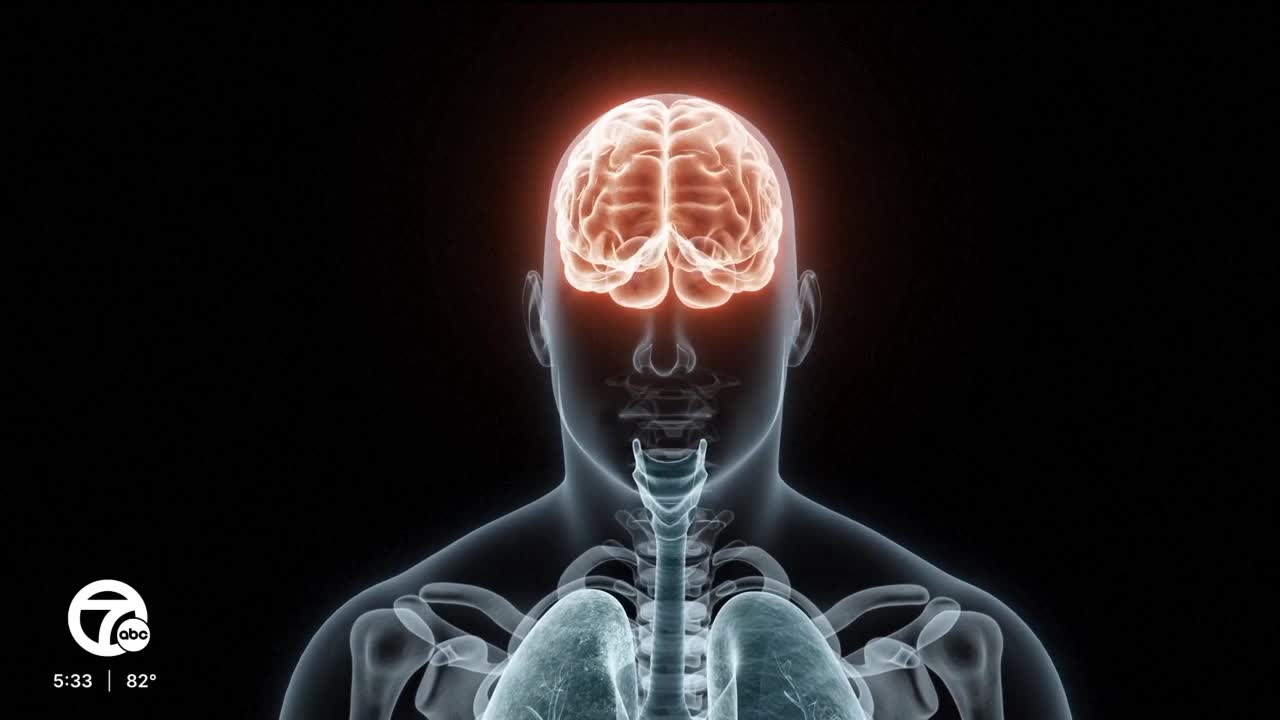

(WXYZ) — A new study estimates that at least one in four former NFL players who died between 2016 and 2021 had CTE - a degenerative brain disease linked to repeated head impacts.
What could this mean for young athletes as high school football gets underway?
This is an important study because researchers tried to get a better picture of just how common CTE may be among former NFL players.
CTE, or chronic traumatic encephalopathy, is a progressive degenerative brain disease linked to repeated hits to the head.
It can only be diagnosed after death.
But symptoms may include problems with memory and thinking, anxiety, depression, impulsive behavior, and difficulty controlling emotions.
Now, researchers found that at least one in four former NFL players who died during the study's six-year period had CTE.
They also found that dementia was common among the players whose brains were donated for research.
And here's something very important: the study's lead author said that many of the head impacts these former NFL players experienced occurred before they ever reached the NFL.
They happened in college, high school, and even youth football.
So, as football season kicks off, this is a reminder that preventing unnecessary hits to the head matters at every level of the game.
Here's what parents should know: symptoms don't always appear right away, and they can vary from person to person.
They can also take hours or even days to show up.
Some things to watch for are headaches, dizziness, confusion, nausea or vomiting, blurred vision, and fatigue or drowsiness.
A player may seem dazed, answer questions slowly, have trouble remembering what happened, or ask the same questions repeatedly.
Later, you might notice trouble concentrating, irritability, changes in mood or sleep, or sensitivity to light and noise.
And remember, you don't have to lose consciousness to have a concussion.
If you suspect one, the player should leave the game right away and be evaluated by a healthcare professional.
Now, football is a great team sport and has its benefits, but head safety needs to be a priority.
It's not just CTE or dementia to be concerned about.
Other research has shown that repeated head injuries can also contribute to additional health problems, including low testosterone, sleep apnea, depression, high blood pressure, and tinnitus.
So always be sure to take head injuries seriously and make sure your athlete takes steps to help prevent them.
This week on the Doctor Nandi Show:

The pros and cons of a plant-based diet. A nutritional expert explains the health benefits, along with the medical concerns.
Tune in or set your recording for Monday at 2:30 am.
