

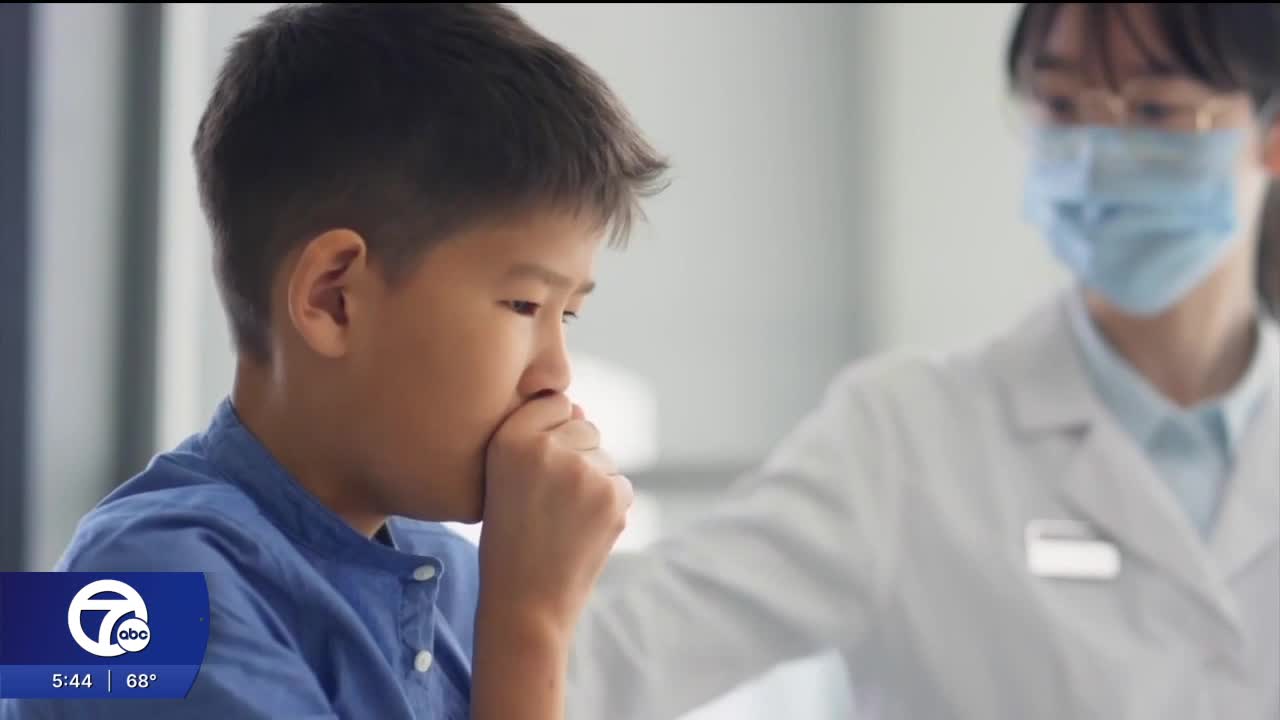


(WXYZ) — RSV is lingering longer than usual, with higher-than-normal activity in spring. This has prompted health officials to extend immunization timelines in many areas, including in Michigan.
RSV, short for respiratory syncytial virus, typically peaks in the winter and starts to taper off in spring. But this year, it peaked later than usual. According to federal data, about 7.5% of tests were still coming back positive in late March. That’s higher than the 5% positivity rate we saw last year at this time.
In Michigan, cases are still up. So far this year, there have been more than 6,700 reported cases. That is much higher than the 4,713 cases we had for all of 2025. And even though weekly numbers are starting to dip slightly, the virus is still very active with over 600 cases for the week ending April 4.
As for why RSV is lingering longer than expected, experts are not exactly sure. But it's likely a mix of factors — things like weather, how much time people spend indoors and when families get immunized, all of which can help the virus to spread.
For most people, RSV feels like a cold. But for infants, especially under 6 months, it can be serious. It’s actually one of the leading causes of hospitalization in babies, and tens of thousands have already been hospitalized this year. RSV can inflame the small airways in the lungs, leading to bronchiolitis or pneumonia, making it hard for them to breathe. In severe cases, babies may need oxygen, IV fluids or even help breathing.
So, with about ten thousand babies being born daily, extending RSV protection makes sense. In Michigan, the window now runs through April 30.
As for what vaccines are available, there are two ways to protect infants. First, a vaccine given during pregnancy helps pass protection to the baby before birth. Second, there’s a monoclonal antibody shot given to infants under 8 months whose mother did not get vaccinated, as well as to children 8 months through 19 months with risk factors.
Here’s the really good news: a Centers for Disease Control and Prevention study last year found lower hospitalization rates in infants up to 7 months who received this protection compared to previous years.
So if you have a newborn or are expecting, now is a good time to talk to your doctor about the best protection for your child.
This Week on the Dr. Nandi Show
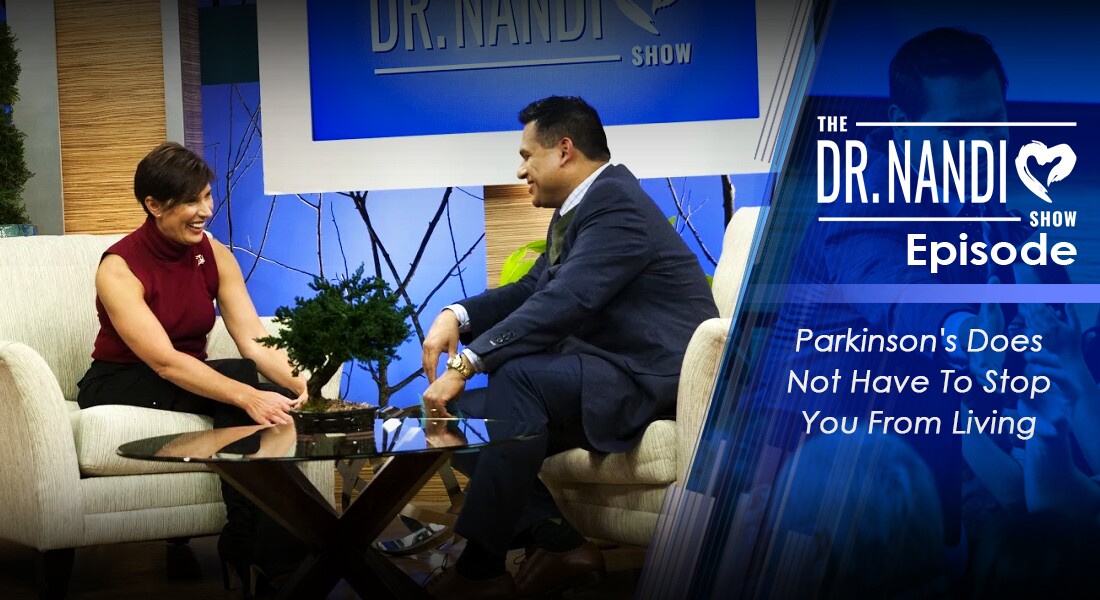
Parkinson’s may be life-changing, but the diagnosis is not a death sentence. It’s quite possible to live a full and happy life. Guest Jimmy Choi shares how he once was so down and disabled that he fell down the stairs while holding his 10-month-old son. He then turned his life around and has run in over 100 half marathons and was a contestant on American Ninja Warrior. Dr. Partha Nandi and his experts discuss the effects of Parkinson’s on the body, how successful deep brain stimulation is and whether physical fitness and dance therapy can improve symptoms. Tune in this Monday,y April 13 at 3 a.m.
