

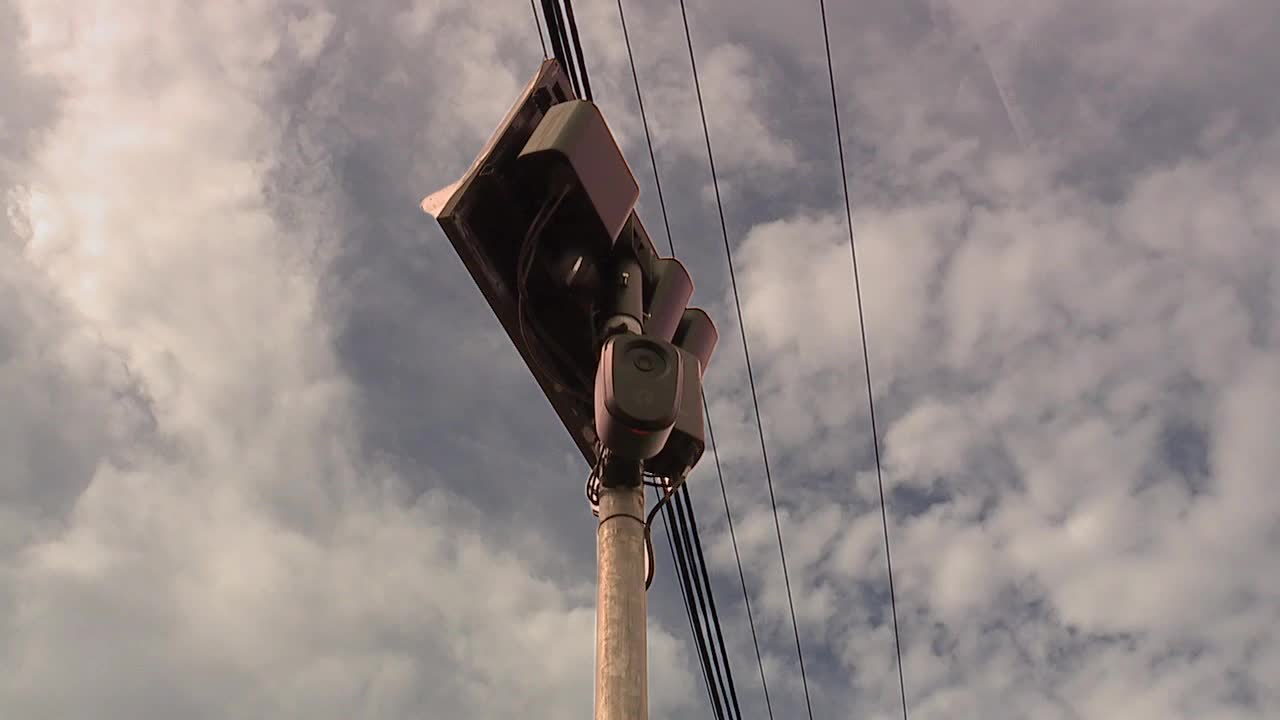


(WXYZ) — State lawmakers are stepping into the debate over Flock cameras and automated license plate readers in Michigan, with proposed legislation that would impose fines and prison time for misuse of the technology.
Watch Megan's report in the video player below:
State Rep. Alicia St. Germaine, a Republican who represents part of Macomb County, introduced the proposed legislation Thursday. along with Reps. Ron Robinson, R-Utica, and Mike Mueller, R-Linden.
"The police chiefs in my district, they asked for this," St. Germaine said.
If passed, the bill would require police agencies to delete data collected by Flock cameras — also known as automated license plate readers, or ALPRs — after 30 days, unless the data is part of an active investigation. Anyone who misuses the data for personal use could face fines and prison time.
"Let's put something in place that will put a clear message out there that Flock cameras or ALPRs can't be misused for personal use," St. Germaine said.
St. Germaine acknowledged that widespread misuse is not the norm.
"A very small percentage of people in any organization are going to misuse something or another. So, do I think it's a broad misuse of technology? No, I don't. But nonetheless, why not put safeguards in place?" St. Germaine said.
The Police Officers Association of Michigan issued a statement:
"POAM recognizes that automated license plate readers are an important law enforcement tool used to locate stolen vehicles, identify suspects, find missing persons and support active investigations.
We also understand the need to protect sensitive information and ensure the public has confidence in how that data is used.
POAM is reviewing the proposed legislation and its impact on officers and departments across Michigan. Any law that includes criminal penalties must provide clear standards for how officers may access, use, retain and share this information.
Officers using these systems in good faith for legitimate law enforcement purposes should have clear rules, proper training and policies that allow them to do their jobs without unnecessary risk of individual criminal liability."
Sterling Heights Police Chief Andrew Satterfield said he supports more guardrails. He said his department has about 24 Flock cameras in the city and has not had any issues with misuse.
"We used to do yearly audits. Since I started doing monthly audits," Satterfield said.
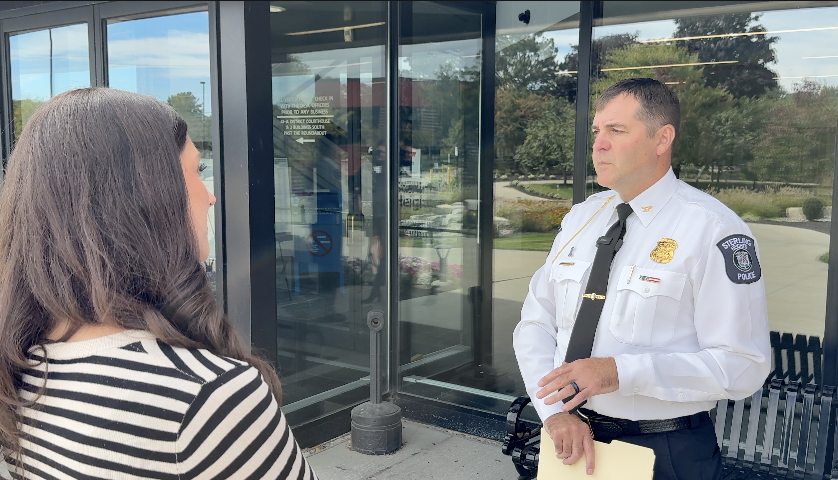
"I'm happy to see that there are guidelines being put in place. Having laws that we can actually have some teeth to hold officers accountable if it's being misused," Satterfield said.
Satterfield described how the cameras factor into investigations.
"It's used daily, and it's just one piece of the puzzle to help investigators solve crimes. Sometimes it's a really big piece of the puzzle, sometimes it's a tiny lead that sends us to the next level," Satterfield said.
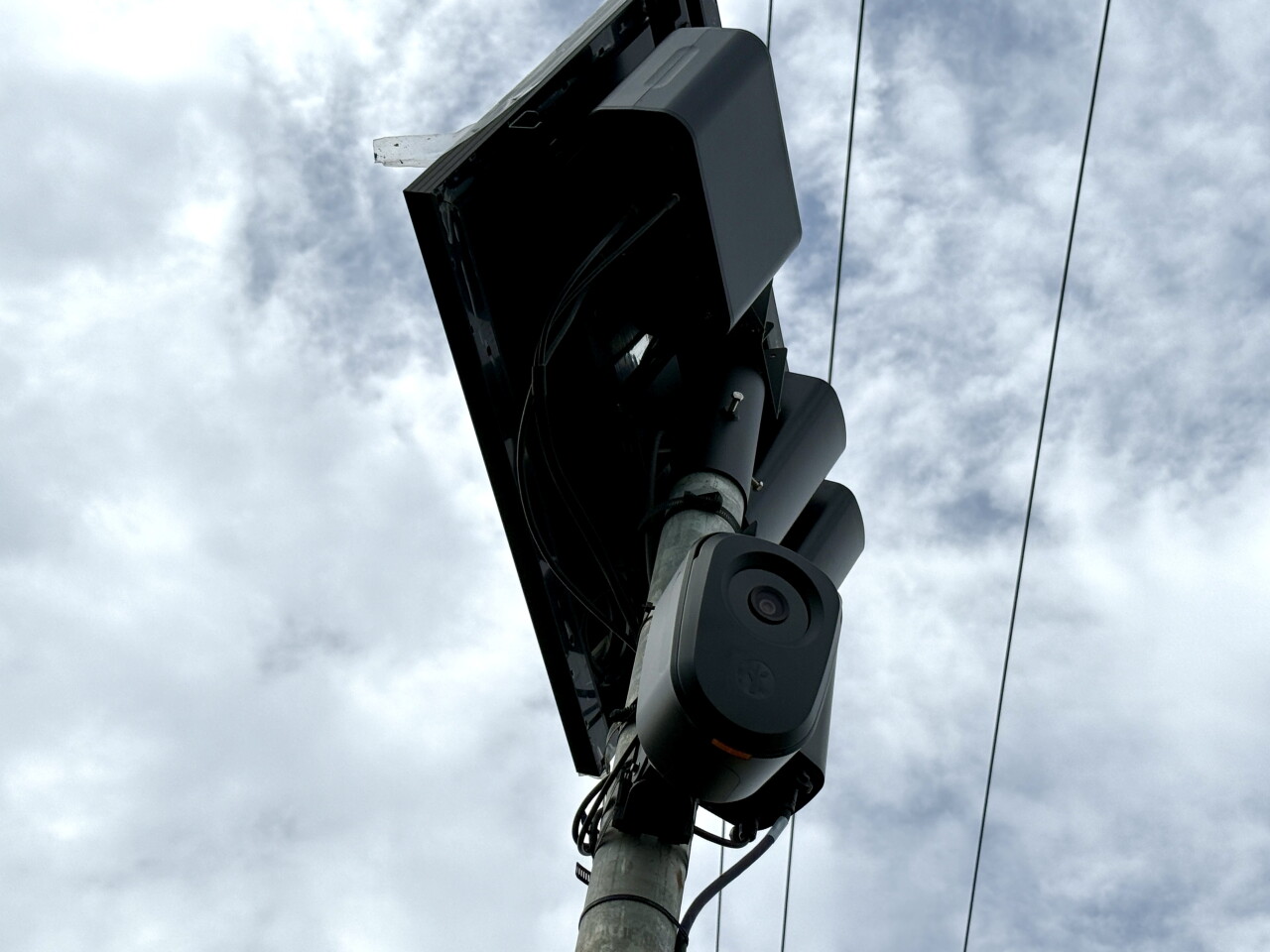
Like many other cities in the area, Sterling Heights City Council is currently deciding whether to end or extend its contract with Flock.
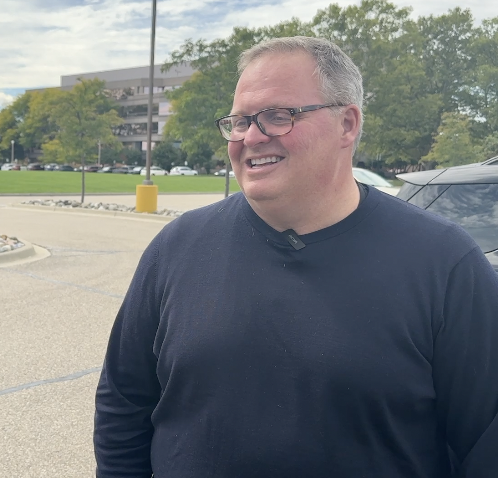
Harrison Township resident Jim Schwesig weighed in on the broader debate.
"I think that anytime that we bring technology into the ball game, it can be a two-sided coin. Some is helpful, some is hurtful," Schwesig said.

A Flock spokesperson issued this statement:
"Flock’s technology is an important public safety tool for law enforcement agencies across America, helping officers solve serious crimes and find missing people. We support thoughtful, bipartisan legislation that puts strong privacy, transparency, and accountability guardrails in place while preserving law enforcement’s ability to use technology responsibly to keep people safe."
Rochester Hills resident David Asker also shared his perspective.
"If you use it for the right thing and it's to help, you know, help law enforcement then fine. But if people — now that the technology is here, people are going to abuse it," Asker said.
The legislation still has to work its way through Lansing with more conversations and votes before regulations could be put in place.
This story was reported on-air by a journalist and has been converted to this platform with the assistance of AI. Our editorial team verifies all reporting on all platforms for fairness and accuracy.
