

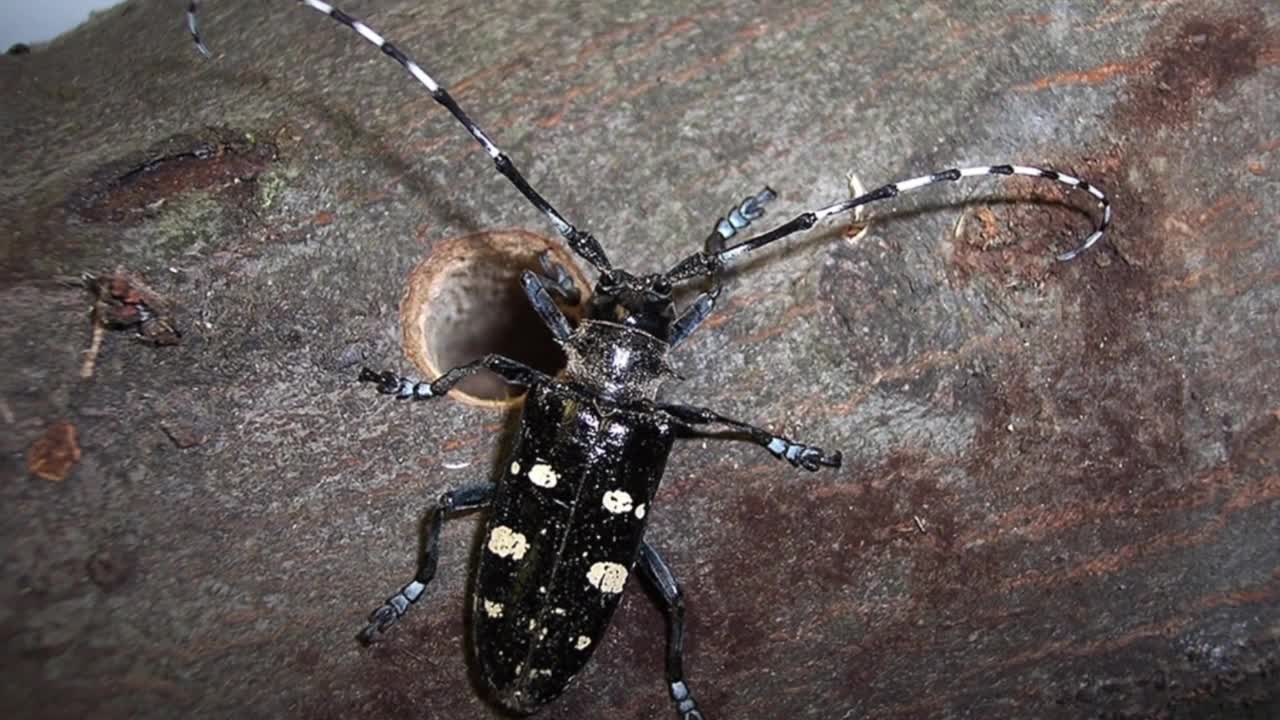


CANTON TWP., Mich. (WXYZ) — Michigan is rolling out new firewood regulations aimed at preventing invasive insects and diseases from entering the state and threatening forests, including maple trees.
Watch Tony's story in the video player below:
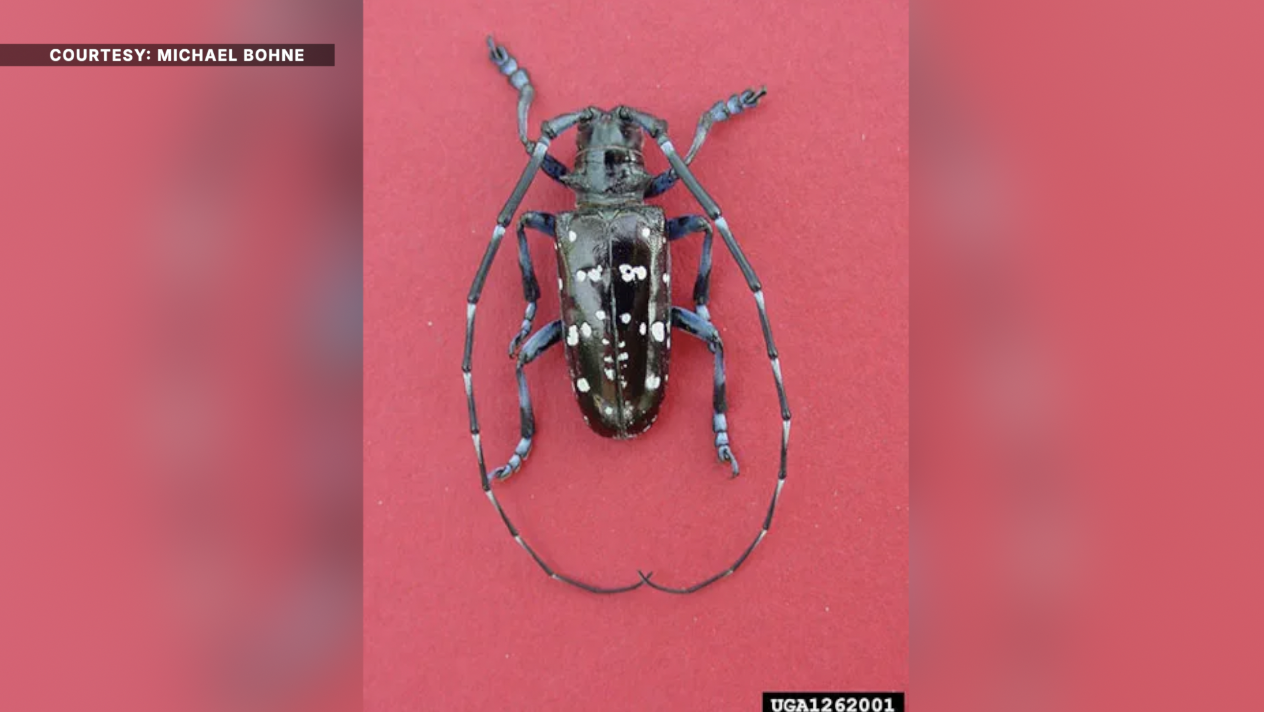
State officials say the rules are intended to stop more than 140 invasive plant pests and diseases that can be transported through firewood. Among the biggest concerns is the Asian Longhorned Beetle, an invasive insect capable of damaging and killing maple trees.
The threat has drawn comparisons to the emerald ash borer, which devastated ash tree populations throughout Michigan.
At Frank's Firewood of Canton, owner Joe Lysakowski said his family business has long taken precautions when sourcing wood.
"It's always been, get as much wood on the ground as you can before October gets here, because once October gets here, it's gone," Lysakowski said.
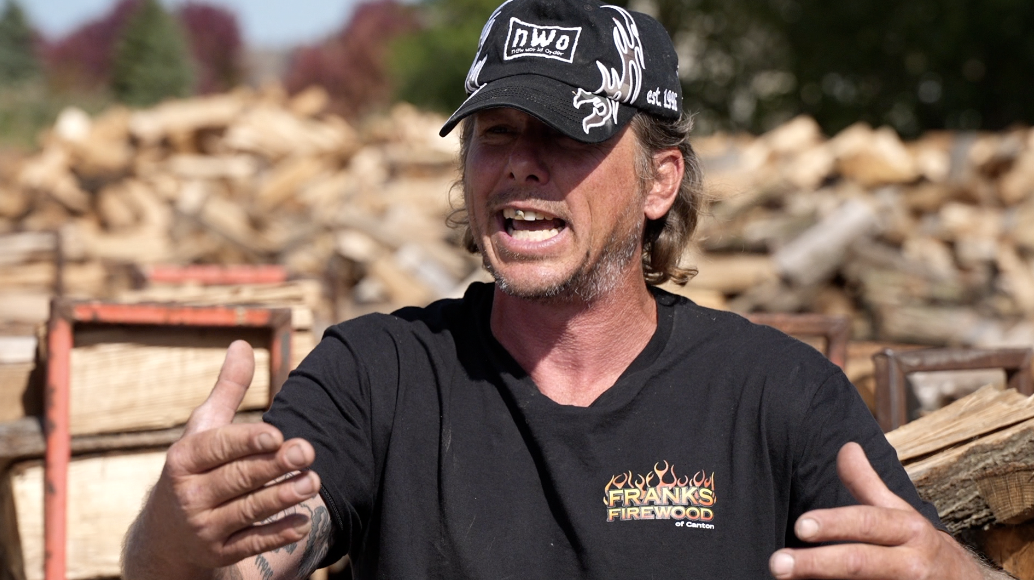
The family-owned business has operated in Canton Township for decades. Lysakowski said the company only brings in wood from Michigan's Lower Peninsula to help reduce the risk of transporting invasive pests.
"Even when we go over the Mackinac Bridge, we don't bring wood from here to there," he said. "They worry about the borers or any bugs that you're going to be bringing to their place."
After arriving at the yard, logs are split, stacked and allowed to season for months before being sold.
"We let it age for anywhere from eight months to over a year, depending on what kind of wood or species it is," Lysakowski said.
Under new regulations from the Michigan Department of Natural Resources, firewood entering the state from outside Michigan must be heat-treated. The process requires wood to be heated to 140 degrees Fahrenheit for at least 60 minutes in a certified kiln.
State officials say that treatment is effective at eliminating invasive insects and diseases that may be hiding in the wood.
Vicki Sawicki, an invasive species prevention coordinator with the DNR, said many consumers assume transporting firewood is already prohibited.
"I wish it was, but it's not," Sawicki said.
The state has launched a certification program that allows approved suppliers to place certification stickers on firewood bundles sold in stores. Beginning Jan. 1, 2027, a quarantine will prohibit untreated firewood from outside Michigan from entering the state.

Gary Daniels, who purchases firewood annually, said invasive species remain a concern.
"There's definitely problems with invasive species," Daniels said.
Although the new regulations will not directly affect Frank's Firewood because it sources wood from within Michigan, Lysakowski said the potential spread of the Asian longhorned beetle is troubling.
"Everybody's got a maple," he said. "You don't want that stuff killing off all of our trees."
State officials hope the quarantine and certification requirements will help prevent that outcome and protect Michigan's forests for years to come. To read the full quarantine declaration, CLICK HERE.
Starting Jan. 1, the DNR is encouraging consumers purchasing bundled firewood at gas stations, campgrounds and retail locations to look for certification labels showing the wood meets the state's standards.
This story was reported on-air by a journalist and has been converted to this platform with the assistance of AI. Our editorial team verifies all reporting on all platforms for fairness and accuracy.
