



Michigan joined several states nationwide experiencing a Democratic wave on Election Day, as voters elected Democrat Abdul El-Sayed as the state’s first Muslim U.S. senator and chose the first all-female ticket for the governor’s office, with Democrat Jocelyn Benson and running mate Winnie Brinks.
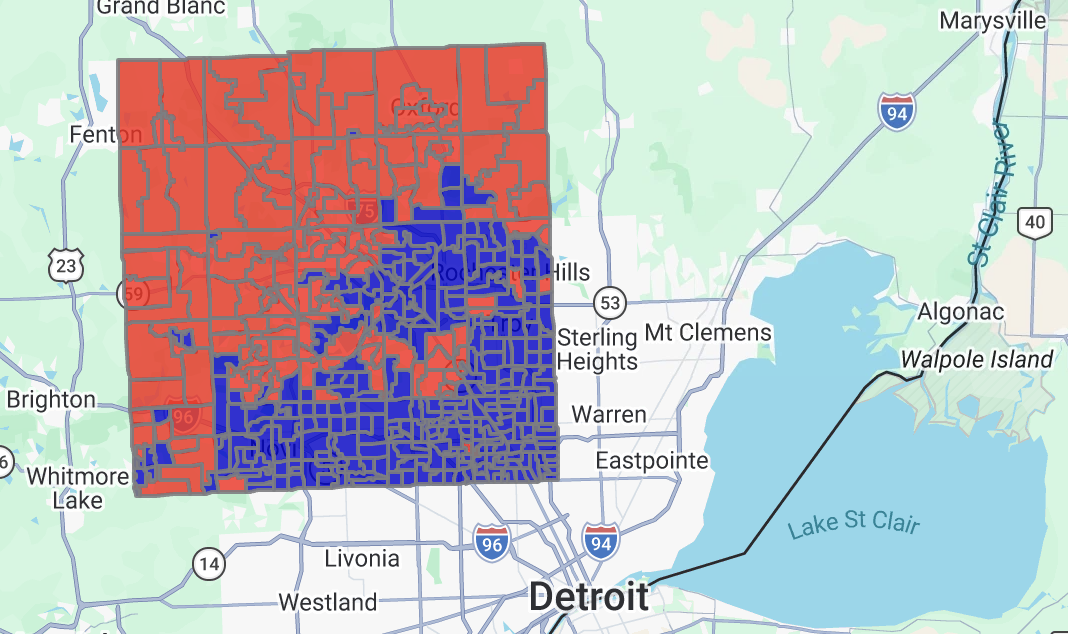
The results also revealed significant changes in traditionally Republican areas throughout metro Detroit, particularly in Oakland and Macomb counties.
WATCH 7 NEWS DETROIT REPORTER WHITNEY BURNEY'S STORY HERE:
Democratic gains in Oakland County
Election maps comparing recent races show Democrats expanding their support beyond longtime strongholds near Troy, Novi and Pontiac. Areas that have historically voted Republican, including parts of Auburn Hills and Lyon Township, shifted toward Democratic candidates during Tuesday’s election.
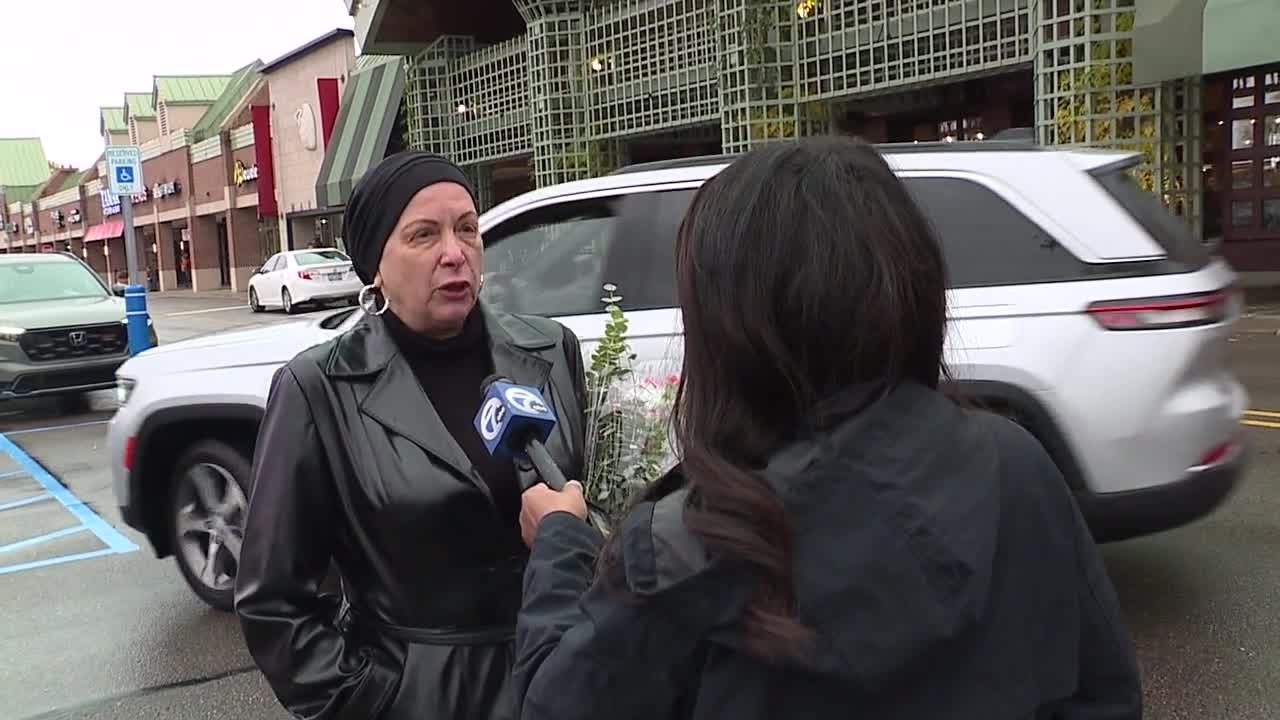
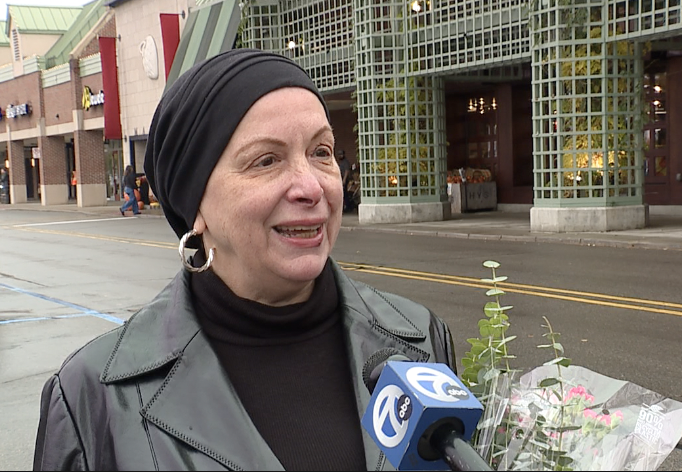
Some voters said the results reflected growing frustration with recent political developments.
“I’m very happy with the results,” said Birmingham resident Julie Milliron. “I think it was time for a correction.”
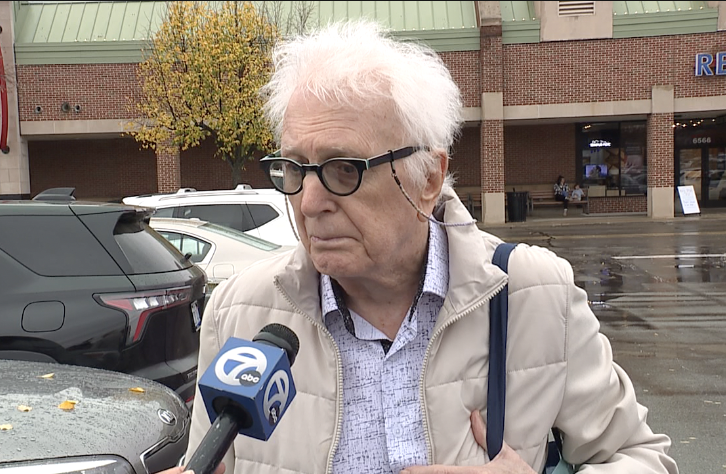
Southfield resident Dirk Bakker echoed that sentiment.
“I think we were at a point where it was impossible to ignore the silliness,” Bakker said. "The tariffs which were supposedly to be paid by the people who delivered the goods obviously were a tax and people started to notice that and the tariffs were not necessary."
In Bloomfield Township, where at least two previously Republican precincts flipped blue, several voters pointed to unmet expectations and broader concerns about national and international issues.
“I think that we’ve had a period of 10 years where people had hoped for one thing to happen and it didn’t take place,” said Hope Palmer of Southfield.
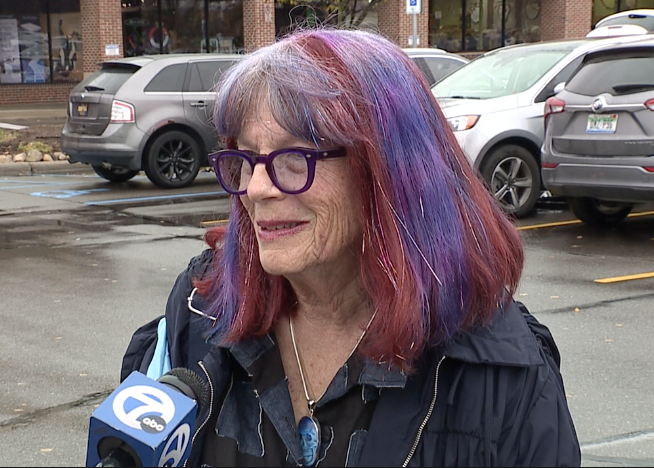
Milliron added that even some traditionally conservative voters appeared uneasy with the current political climate.
“With what’s happening in the government now, even staunch Republicans were uncomfortable,” she said. “We’re uncomfortable with what’s going on in the world. We’re uncomfortable with what’s going on in the Middle East. We’re uncomfortable with what’s going on in our country.”
Macomb County sees shift toward the middle
Republican stronghold Macomb County also showed signs of change.
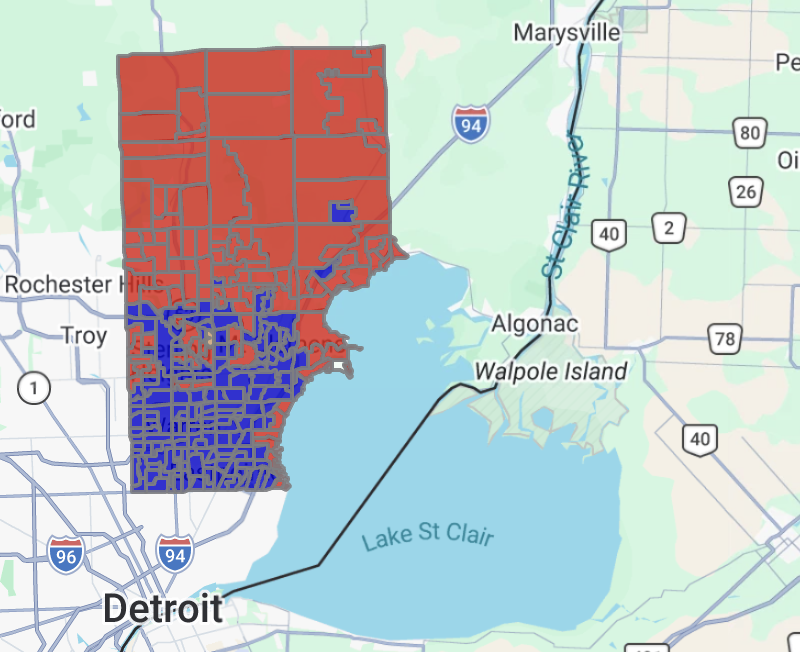
Comparisons between the 2024 presidential election and the 2026 governor’s race show Democrats narrowing margins in communities such as Sterling Heights, suggesting a growing willingness among some suburban voters to support Democratic candidates.
Not all voters welcomed the trend.
“I was very disappointed, very disappointed, disgusted to say the least because I think people are being shortsighted,” one Macomb County voter said.
Romeo resident Sandra Weaver expressed concerns about the direction of the state under Democratic leadership.
“I’m not hopeful at all,” Weaver said. “I think it’ll just go down the tubes if we keep them in.”
Weaver says her biggest concern is the promises Democrats made throughout their campaign.
"I think that the Democrats keep preaching that they can supply everything and there’s not enough money to do that," said Weaver. "There’s no way that they can pay for all of this stuff without touching your money."
Another voter predicted continued political division.
“I think there will be a lot of fighting and it will just be more of the same,” the voter said.
Political analyst: Multiple factors drove the outcome
University of Michigan Director of Debate and political analyst Aaron Kall called the election results historic and said the scale of Democratic gains surprised many observers.
“It was a historic night and I do think that Democrats were favored both locally and nationally, but I don’t think anyone expected the magnitude, the margins the certainty we got last night,” Kall said.
WATCH NEWS DETROIT REPORTER WHITNEY BURNEY FULL INTERVIEW WITH AARON KALL HERE:
Kall said voter dissatisfaction with the Trump administration, concerns about the economy, and ongoing tensions involving Iran likely contributed to turnout. He also pointed to a surge in younger voters, which provided a significant boost for Democratic candidates.
"Youth vote was something. You saw a lot of long lines and same day registration at the different college campuses and places like the University of Michigan, Michigan State, Central Michigan," said Kall. "Young people are interested but not very reliable in midterm elections to kind of turnout because they’re so busy. I think they really made it a priority last night and that also really helped at the margins for Democrats."
However, Kall said the long-term political impact will depend on whether newly elected leaders can meet voters’ expectations.
“The key issue is what they do now once these new office holders are in,” Kall said. “They really have to deliver in order to gain the trust and be successful in another two years when they’re on the ballot again.”
What it means going forward
Tuesday’s election results suggest Michigan’s political landscape continues to evolve, particularly in key suburban communities that have increasingly become battlegrounds in statewide races.
As Democrats celebrate historic victories and expanded support in traditionally Republican areas, political observers will be watching closely to see whether those shifts become permanent or represent a response to current economic and political conditions.
This story was reported on-air by a journalist and has been converted to this platform with the assistance of AI. Our editorial team verifies all reporting on all platforms for fairness and accuracy.
