

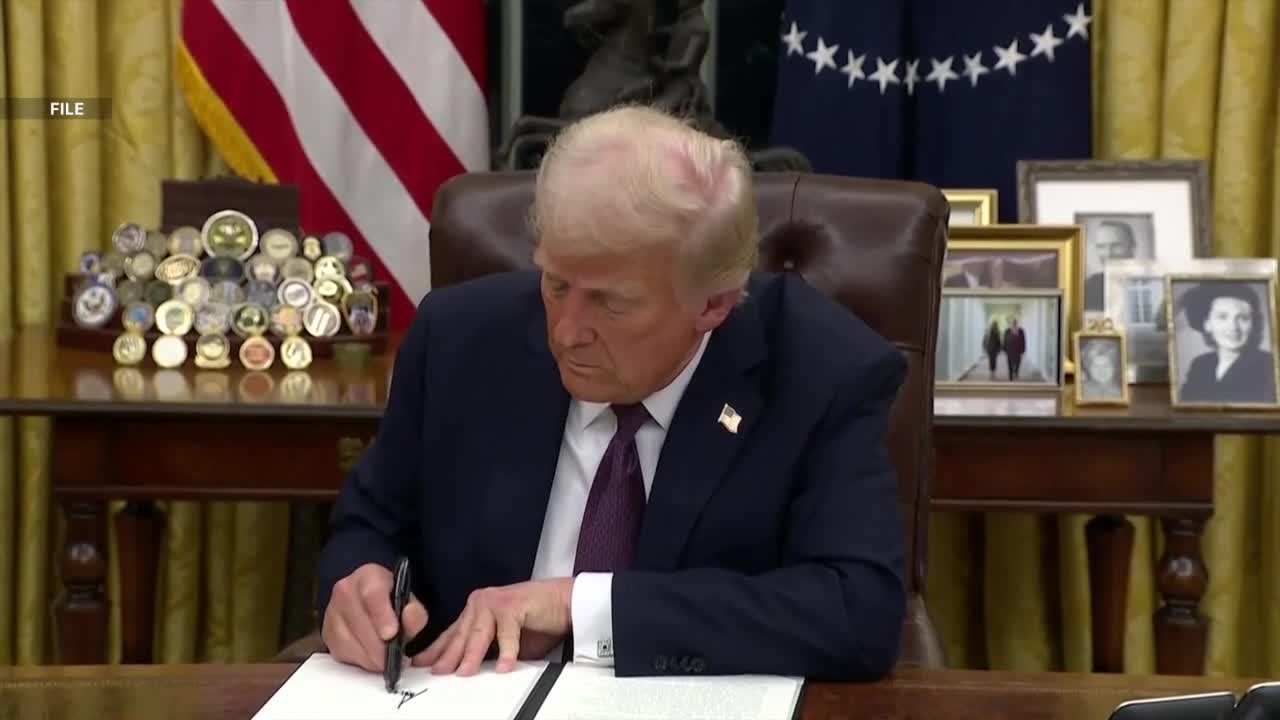


With less than two weeks until Election Day, President Donald Trump has made a significant adjustment to his administration's trade policies with Canada.
WATCH the full report here:
The White House announced Friday that several Canadian products will be removed from a list of goods facing a 50% tariff. The change affects items including plywood, some paper products, certain machinery, refrigeration equipment, and shipping crates and boxes.
While some products are seeing relief, other items such as valves, carpets, and waste products will continue to face steep tariffs under the updated policy.
Windsor City Councillor Renaldo Agostino said the timing of the announcement appears strategic.
"It's certainly a strategic move by the president," Agostino said.

The trade dispute between the United States and Canada has created uncertainty for businesses and consumers on both sides of the border in recent months.
Agostino believes the latest tariff rollback is only a first step.
"This is just a fraction of what needs to be done, and hopefully it's the beginning of something more," he said.
Agostino said the ongoing trade tensions have had a noticeable impact on border communities like Windsor and Detroit, where commerce and travel are closely connected.
"It's tough. It's difficult. People are afraid. People don't want to go over to the states, people don't want to spend money," Agostino said. "It's had certainly a negative effect on both countries, both cities, Windsor and Detroit."
Some Canadian workers say the uncertainty has made it difficult to plan for the future.
"I work in the metal fabricating industry and you never know when you're going to get hit with stuff and customers might not order as much," said Canadian resident Caleb Bergen..
Ron Stevenson, Director of Debate and Forensics at Wayne State University, believes the timing is no coincidence.
"That it's a very strategic political move on behalf of the Republican Party in order to win some really critical seats because it will affect not only Michigan, but the Maine race," Stevenson said.
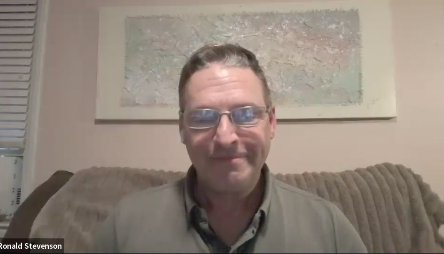
Stevenson added that the policy change gives Republicans a tangible example they can point to when discussing affordability issues with voters.
"It is something tangible that can be pointed to from a political maneuver to say, 'Hey, we're addressing affordability,' which will be the number one issue come November 3," he said.
Meanwhile, the Michigan Democratic Party criticized the administration's trade policies, saying in a statement that "Donald Trump's reckless tariffs have spiked costs, destroyed manufacturing jobs, and thrown Michigan's economy into chaos."
The White House says the tariff changes will take effect on Oct. 30, just four days before Election Day.
