

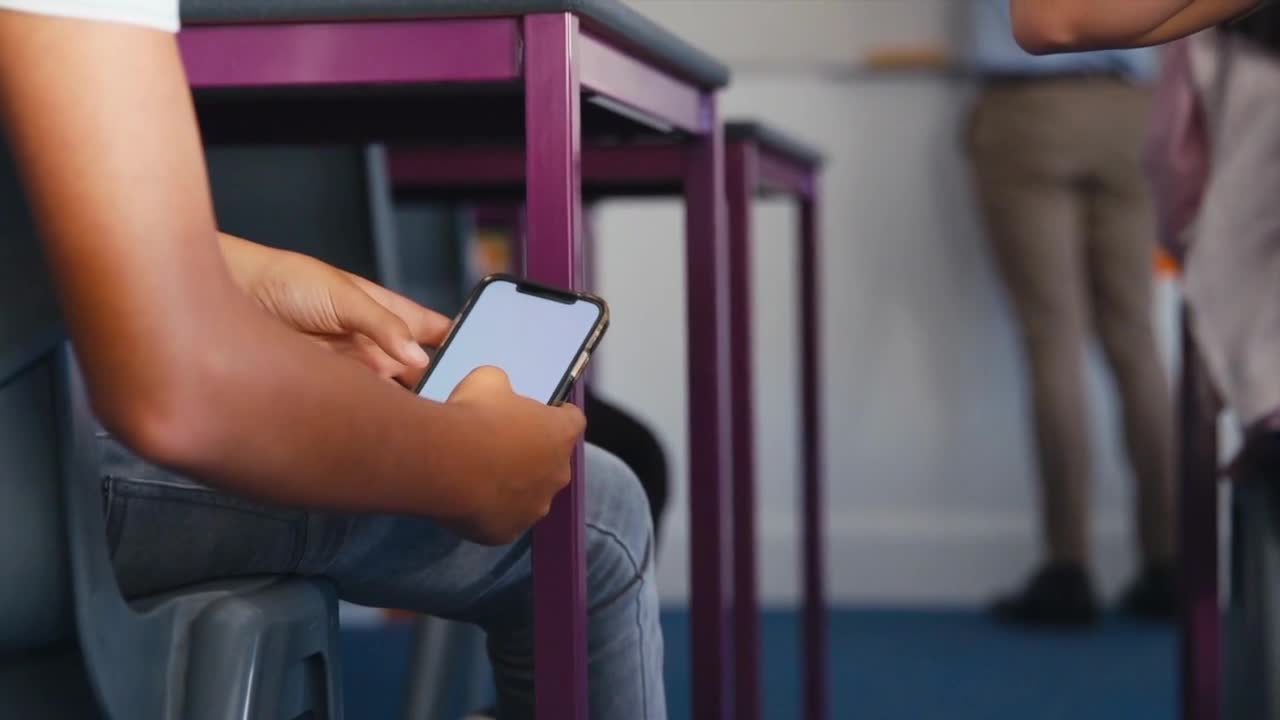

(WXYZ) — We're just a few weeks away from students returning to the classroom, and this year, you may notice tougher restrictions on cell phones.
Earlier this year, Michigan Gov. Gretchen Whitmer signed a set of bipartisan bills to "reduce phone distractions in the classroom and improve student focus."
See the full story from Whitney Burney in the video below
The bill calls for Michigan school districts to create action plans that keep devices away during class. There are exceptions for emergencies and academic use.
The bills call Michigan school districts to create action plans that keep devices away during class
"A lot of people just need to have their phone on them. It’s like something that has to be in their pocket or their hand," Addison Huff, an 8th grade student, said.
That's also true for many teenagers, like those walking the halls of Ferndale Middle School.
"I’ll see a student they’ll ask to go to the bathroom and they’ll just be in the hall way on their phones scrolling or texting and I can understand why," Addison said. "When I’m bored, I’ll use it a lot but I don’t feel like I’m attached to it. I can easily get off of it and go outside and touch grass, as kids say."

According to a 2025 study published in the Journal of the American Medical Association, U.S. students spend up to a quarter of the school day on their smartphones.
That increased cell phone usage is tied to lower GPAs, depression and anxiety.
"Cell phones are our highest form of infractions in the school," Ferndale Middle School Principal Eric Bruner said.
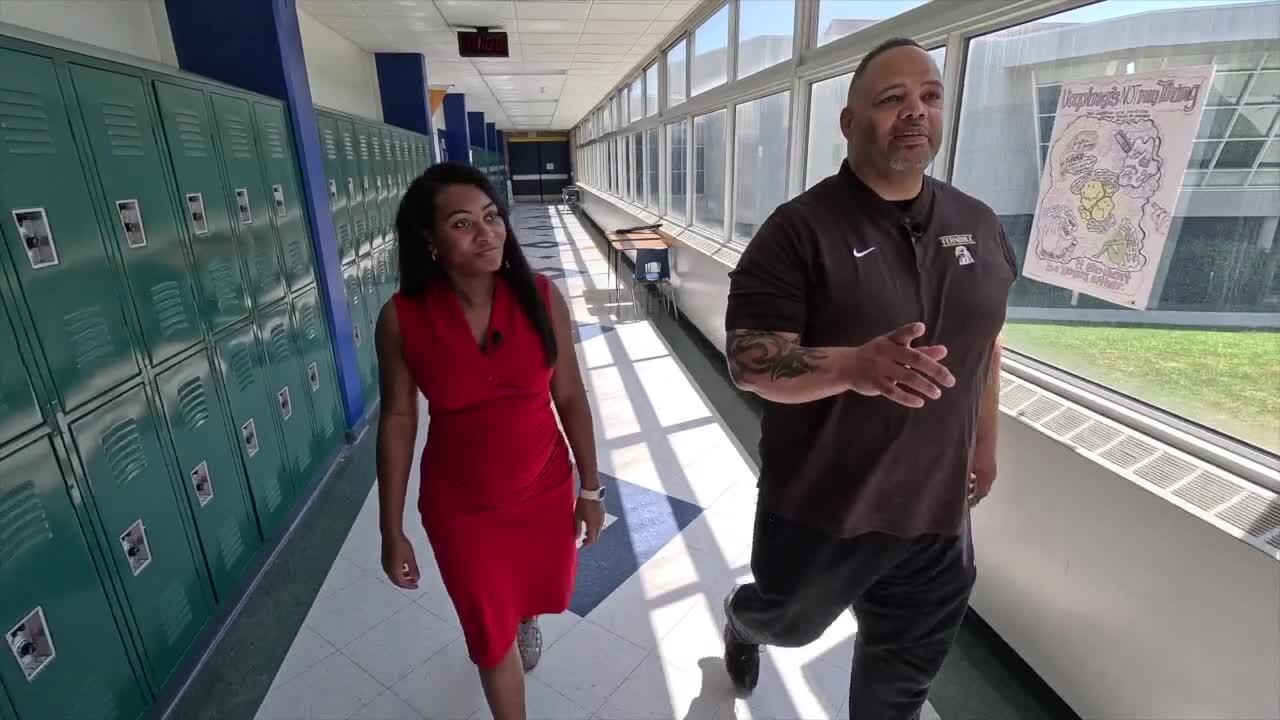
It's the reason Bruner said they began implementing a ban of their own a few years ago.
"So here is the red zone. This is found in the high school so it’s a little bit different, but the red zone says no phones allowed after you go through these doors," Bruner showed me.
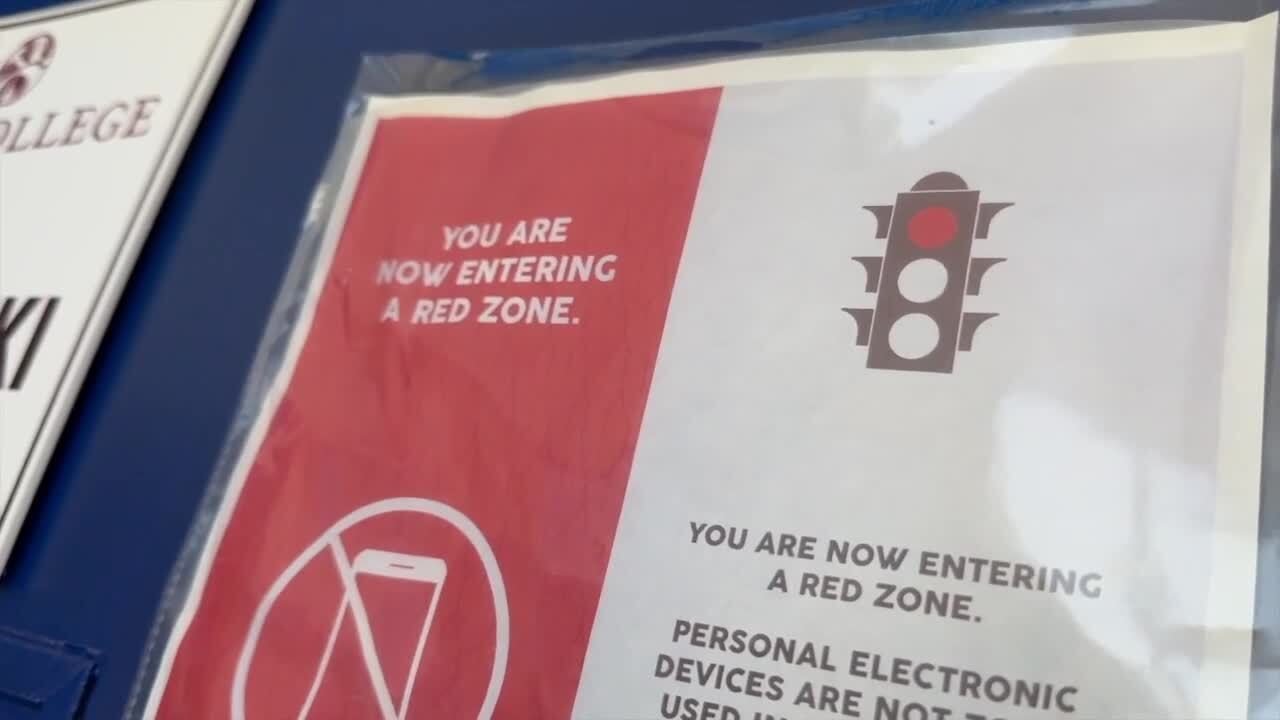
In Ferndale Public Schools, there are no phones allowed at all for students in K-4. From 5th grade to 8th grade, students can bring a device but it must stay in their lockers all day. High school students are allowed to use their devices during lunch and in between classes only. Most of the high school classrooms require storing your phone in a lockbox at the front of the room at the start of class.

"I'll be honest, at first I thought no way a high schooler is actually going to do this but seeing it in action. It’s just became a part of the routine," Ferndale Superintendent Camille Hibbler said.
Hibbler said so far, the program has been a wild success and has gone further than simply decreasing distractions.
"They’re talking to each other they’re connecting in ways that they probably wouldn’t have if there was a screen in front of them. I would say as far as instruction our teachers are very, very happy. Because again, you maximize that instructional time," Hibbler said.
As we approach the 2026-27 school year, all Michigan school districts are now required to develop their own plan to mitigate cell phone use in classrooms.
"This has been something that’s been vastly successful across all of our buildings where we’ve implemented it," Ben Mainka, the Novi Community School District superintendent, said.
A similar cell phone ban has been in place in Novi Community School District for the last two years.
"A lot of it came from as staff we read the book 'Anxious Generation' by Jonathan Haidt. And we said, look, there’s a lot of research that’s now out there just about the emergence of screens and how they’re rewiring our kids brains. And we know that we contribute to that issue as a school system by the amount of devices we allow them to have by the number of devices that we put into their hands," he said.

Mainka says although the policy has been successful there was push back from students and concern from parents in the beginning.
"Unfortunately, we live in a time where anything could happen at a school and I'd like to be able to contact my child. What happens in that instance?" I asked.
"When you think about experts in school safety and security, what they will say is you really have to have minimal chains of communication during an event. This actually helps us tremendously from a school safety perspective," Mainka said.
"Overall, you feel like these bans these cell phone policies are good for students?" I asked Hibbler.
"I 100% do. From a wellness perspective with students, from a developmental perspective, social, from an educator's perspective being focused during instructional time. It’s a win," she said.
