



Last week, the Senate passed a bipartisan permitting reform bill that supporters say could lower costs by speeding approvals for major energy, housing and internet infrastructure projects, but the measure is facing opposition from some House Democrats and environmental advocates who warn it could weaken environmental protections.
The Senate approved the bill, officially titled the Bipartisan American Affordability and Jobs Act (or BAAJA), by a bipartisan vote of 62-33 on November 19, before lawmakers left Washington for the Thanksgiving holiday.
RELATED STORY | Texas regulators are resuming environmental permits for data centers
Supporters argue the measure would help address lengthy permitting delays that can hold up new infrastructure projects for years and increase costs.
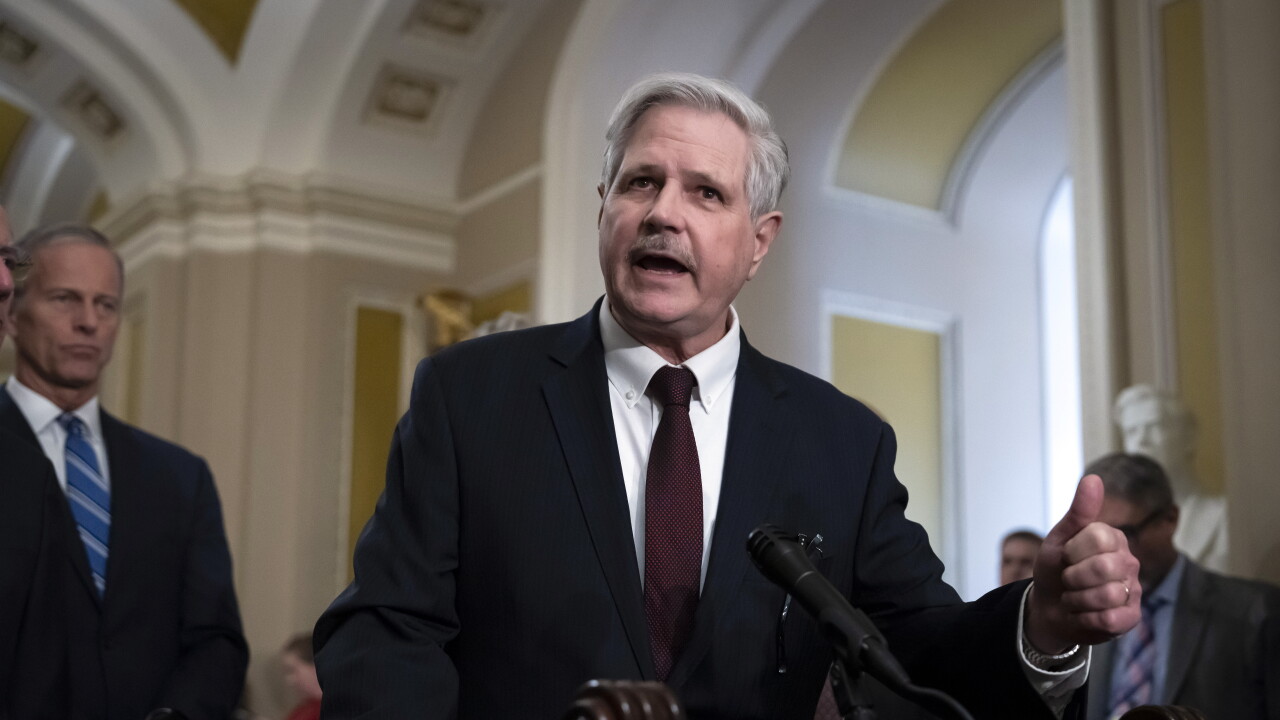
“There’s about $1.1 trillion worth of projects that are awaiting approval right now across the country,” Republican Sen. John Hoeven of North Dakota told the Scripps News Group, shortly before the bill's passage. “This permitting reform gets those projects going.”
The legislation seeks to shorten the approval process for major projects, including by addressing lengthy environmental reviews and litigation.
Joe Lippino-Esposito, the director of federal policy for the Pacific Legal Foundation, a libertarian law firm that supports passage of BAAJA, told Scripps News that prolonged legal challenges have long prevented projects from swiftly moving forward.
“What it's doing is it's taking away the never-ending litigation of people who just want to stop every project just for the sake of stopping every project,” Lippino-Esposito said.
A report from the Pacific Legal Foundation found it takes an average of 29 years to open a new mine in the United States, the second-longest timeline in the world.
“If you have something, like a mine, that's taking 29 years to develop, that means you're not getting a lot of them online and getting them started,” Lippino-Esposito said. “So when you have less supply, you have higher costs. It's just a simple economics problem in a lot of these cases.”
But some Democrats and environmental advocates are urging House lawmakers to reject the legislation, citing concerns about environmental protections and a lack of input from Native American tribes.
“The risks and downsides of this bill are not worth it,” Democratic Congresswoman Melanie Stansbury of New Mexico said at a virtual press conference opposing the bill's passage, held earlier this week.
RELATED STORY | Elon Musk's record $474 million election bet backfires in Texas
Stansbury told the Scripps News Group she wants changes to the legislation and opposes the measure in its current form. Among her concerns is its potential effect on Mount Taylor in New Mexico, a site considered sacred by several Native American tribes.
“The administration is proposing to open a uranium mine on Mount Taylor,” Stansbury said. “This bill could expedite the permitting process and take away the rights permanently of our tribes to protect the most sacred mountain that has been protected for thousands of years.”
Stansbury questioned whether speeding infrastructure projects was worth that risk.
“Why would we take the risk of allowing a few extra transmission projects to go through for the permanent destruction of a sacred site,” she added. “It is not worth it. The risk is not worth it.”
The bill could pass the House without Democratic support if nearly all Republicans back it.
The bill is expected to come up for a vote when Congress returns next week.
