



DEARBORN — Your child is doing well in school, playing sports and rarely gets sick. So do they really need to see the doctor every year?
Pediatricians say absolutely. In fact, the years between preschool and middle school are a time when some health problems can develop without parents even realizing it. And what doctors discover during a routine checkup might surprise you.
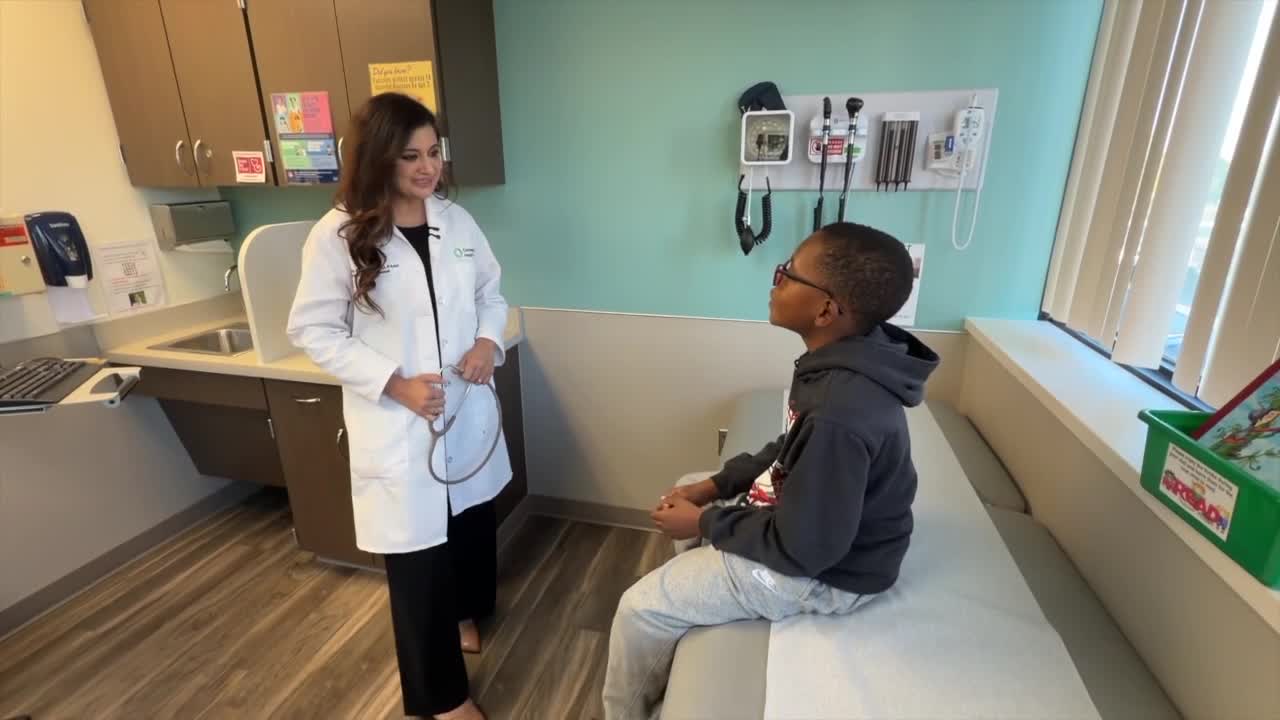
Eight-year-old Jameere Gardenhigher is back at the pediatrician — not because he's sick, but for a follow-up on his ADHD. For Jameere, school hasn't always been easy.
"At first he was just saying that his mind, it just was going and going and he just couldn't calm himself," Lakeshia Gardenhigher, Jameere's mother, said.
Jameere was struggling to focus. His mother worked with his school to figure out why. Eventually, he was diagnosed with ADHD. Now, with treatment and follow-up care, things are different.
But even when children don't need treatment, Dr. Arsala Bakhtyar — chair of pediatrics at Corewell Health Dearborn — says they still need to see their pediatrician. That's something some families stop doing once their kids reach school age.
WATCH The 'silent years' of childhood: Why doctors urge annual checkups even for healthy, thriving kids
"Parents feel like it's not important, the pediatrician's not doing much. So they usually fall off the schedule and don't see us for a couple years," Bakhtyar said.
That's a concern, because those visits go well beyond height and weight. Doctors check vision, hearing and development. They also look for sleep problems, emotional changes and learning difficulties that parents might miss.
"But then the child says that, no, I can't differentiate D from B. And then you're like okay, let's check him for dyslexia," Bakhtyar said.
And the sooner those concerns are identified, the sooner children can get the help they need. But these visits aren't just about physical health. They're also about building trust. For a child dealing with bullying, anxiety or trouble at home, a pediatrician can become another adult they feel safe talking to, especially about things they may be reluctant to share with their parents.
"The trust is developed if you see them frequently. When the child sees the pediatrician, I always reassure the child that I'm your advocate," Bakhtyar said.
And that ongoing relationship can help doctors recognize changes in a child's emotional health or behavior that might otherwise go unnoticed. Lakeshia Gardenhigher says she makes sure her children see their pediatrician every year, even when nothing seems wrong. And for Jameere, getting the right help and continuing care has made all the difference in the classroom.
"He's excelling in school. He's doing much better. He's at the top of his class, actually," Gardenhigher said.
Pediatricians recommend wellness visits every year, even when your child seems perfectly healthy. And remember, a sports physical or a visit when your child is sick doesn't necessarily replace a comprehensive annual checkup.
This story was reported on-air by a journalist and has been converted to this platform with the assistance of AI. Our editorial team verifies all reporting on all platforms for fairness and accuracy.
