

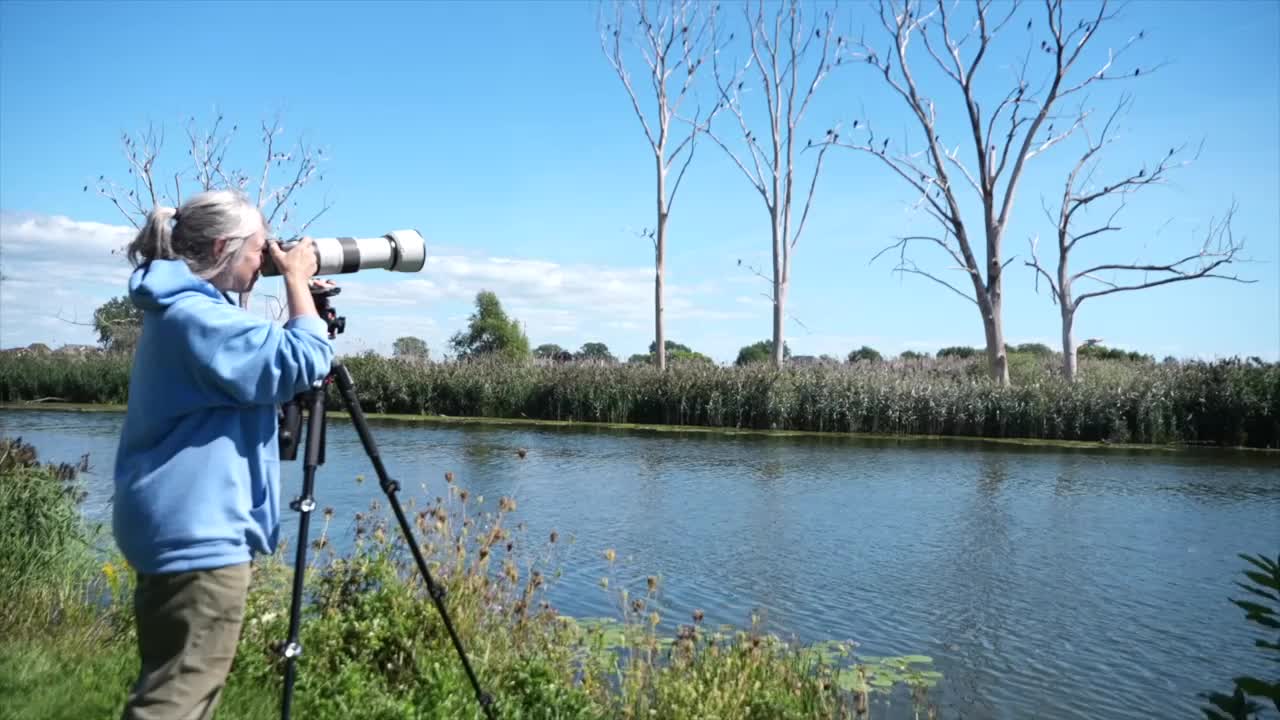



HARRISON TOWNSHIP (WXYZ) — A cormorant colony nesting on Dog Island in Harrison Township is at the center of a growing dispute between conservationists, residents, and a state lawmaker who says the birds are damaging Lake St. Clair's ecosystem.
Beth Noren, conservation chairperson for the Macomb Audubon Society, says the birds are a native species that deserve protection.
"I love seeing them sail low over the water, that's my favorite part about watching them," Noren said.
Noren says the cormorants have been nesting on Dog Island since 2020, and that the small piece of land on Lake St. Clair offers them an ideal location.
"Yes, they're a native species they were decimated in the 50s and 60s, they're a remarkable comeback story," Noren said.
"These trees this is the best spot for them to have the least amount of contact with people," Noren said.
The trees on Dog Island are dead — a result of the birds' acidic droppings and high water levels.
"Their poop is acidic, and it can actually kill the trees they nest on. These trees died from a combination of that and high water in 2019, 2020," Noren said.
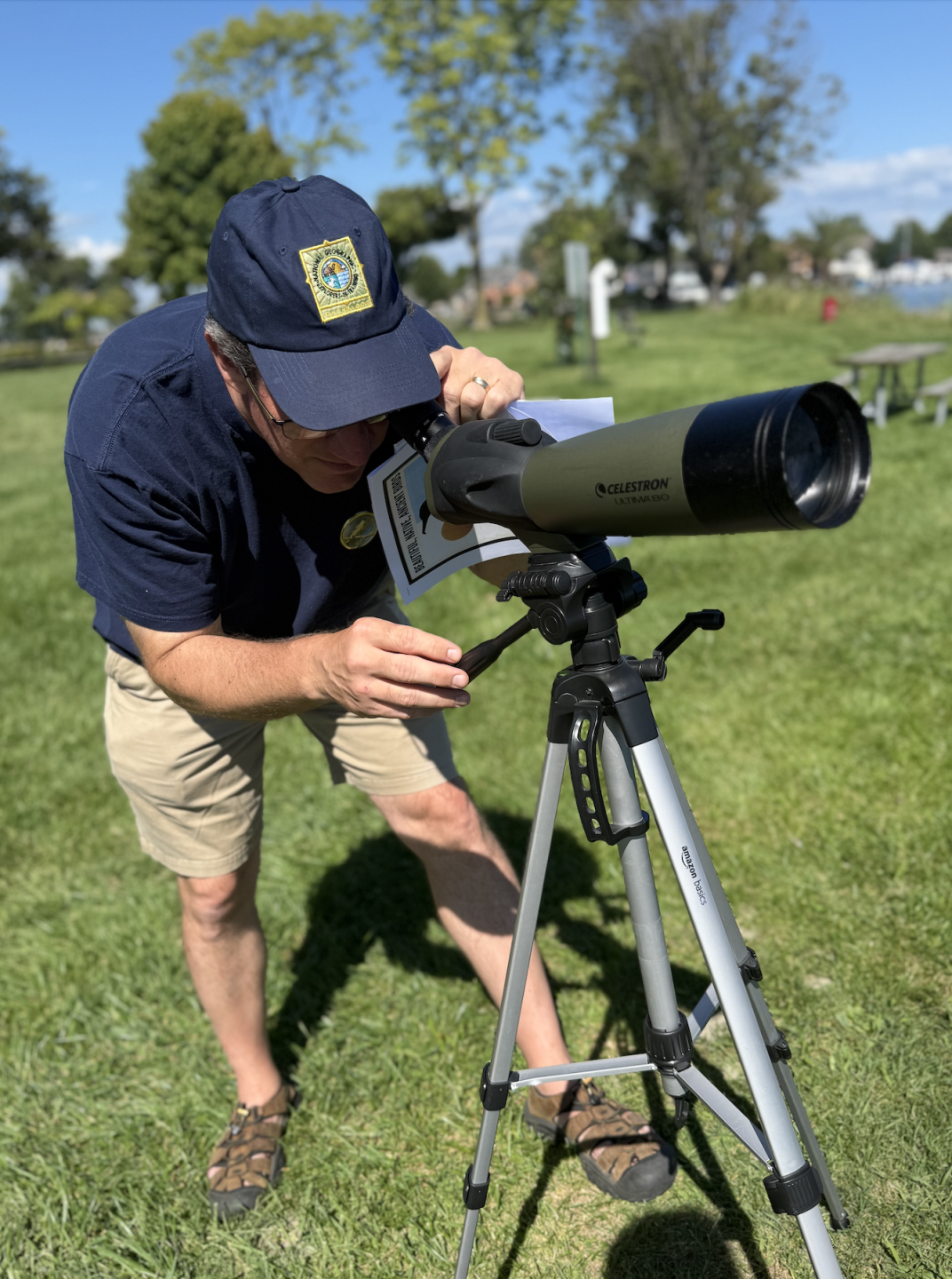
On Monday, Noren joined a group of peaceful protesters who carried signs reading "Dog Island is for the birds" and "Dead trees are a part of the ecosystem." Their message: leave the birds and the trees alone.
State Rep. Alicia St. Germaine, who represents District 62, disagrees. She says the cormorants are a threat to Lake St. Clair and that it is time to relocate them.
"Everything underneath those birds died because of those acidic droppings," St. Germaine said.
"I don't think it's fair to ask my constituents to risk losing our fishing industry, having to deal with the smell and the destruction to our vegetation," St. Germaine said.
Doug Batty, who has lived near the island for years, says the impact on the area has been significant.
"This island was lush and had beautiful trees, and then the cormorants showed up," Batty said.
"The canal I live on now it was probably the premier canal for ice fishing on lake St. Clair in Macomb County, and now it's void of fish in the wintertime; it's almost a waste of time to go out ice fishing," Batty said.
In July, St. Germaine secured $500,000 in the state budget for the Michigan DNR to fund cormorant control efforts. She says she is working with the DNR to possibly cut the trees down as soon as this winter.
Noren warns that removing the nesting trees could make the problem worse, not better.
"They're planning on cutting the nesting trees down after the birds migrate this fall, and when those birds come back in the spring, they're not just gonna disappear; they're going to spread to the trees in all the neighborhoods and start nesting again in places where they're more in conflict with people," Noren said.
This story was reported on-air by a journalist and has been converted to this platform with the assistance of AI. Our editorial team verifies all reporting on all platforms for fairness and accuracy.
