

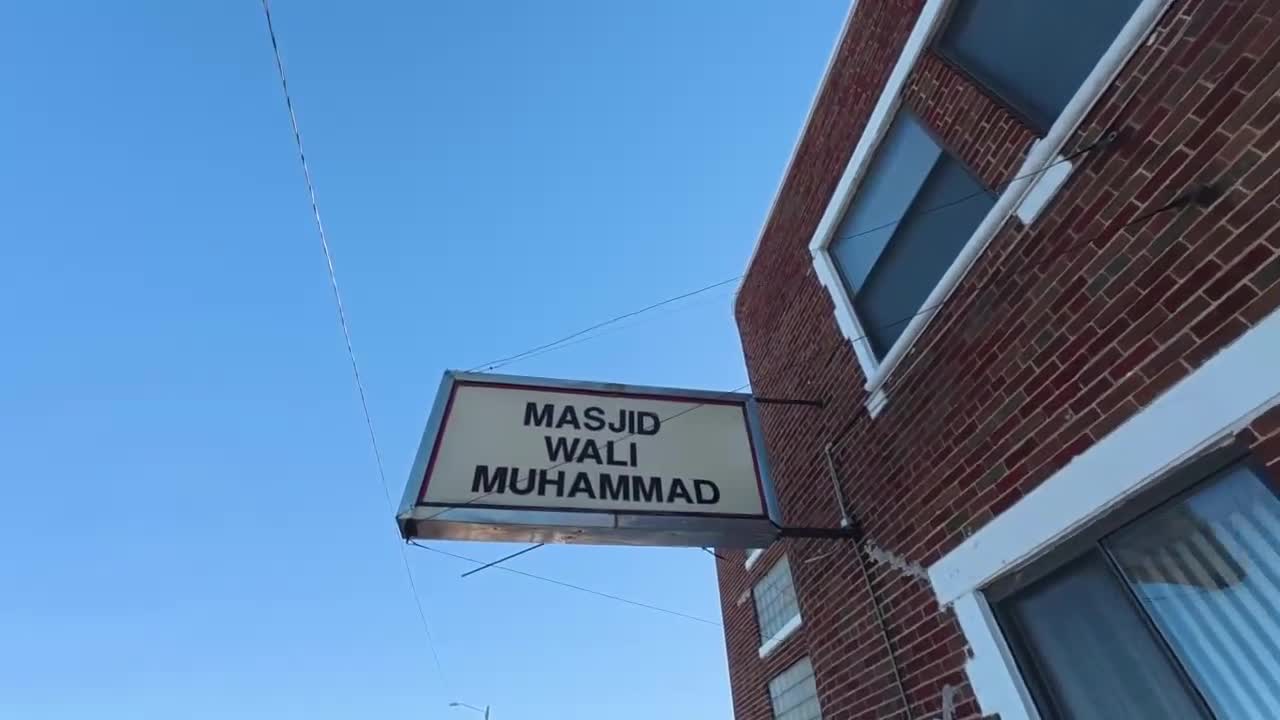


DETROIT (WXYZ) — On Detroit's west side, Masjid Wali Muhammad stands as more than just a place of worship. The mosque, declared a historic site by the city in 2013, represents nearly 70 years of Muslim African American history as February's Black History Month leads into the Islamic holy month of Ramadan.
Watch Faraz's report below

"Allah O Akbar, God is greater," said Imam Tauheed Rashad when asked about his reaction to the mosque's historic designation.
Located on Linwood Street, the masjid holds deep significance for the community it serves. Once the Nation of Islam's first temple, it now operates as a Sunni mosque while continuing to carry forward both faith and the fight for justice.
"Even during the riots, the historic Masjid Wali Muhammad was never touched because of the respect and the input of what we were doing," Rashad said.
For the imam, the identity order of "Muslim African American" matters deeply.
"The Muslim in front of African American, denoting that we are submitting to God first, and so pleasing that we can honor our history," he said.
Inside the mosque, memorabilia tells the story of faith intersecting with civil rights. One piece particularly resonates with Rashad: a photograph of the Honorable Elijah Muhammad and Dr. Martin Luther King Jr. in conversation.
"Symbolizing Islamic thought and Christian thought working for the betterment of the African-American community," he said.
The mosque's legacy lives on through families like the Hazziez family. Olivia Hazziez Shakoor, 91, grew up surrounded by faith and family at the masjid. A picture hanging at the front door captures her childhood memories.

"I was doing the tour in this picture. That's my dad over at the end, and that's my mom," Shakoor said, pointing to herself in the photograph.
Her daughter, Karen Hazziez Green, represents the third generation keeping the legacy alive, following her mother's passion for the community and Islam.
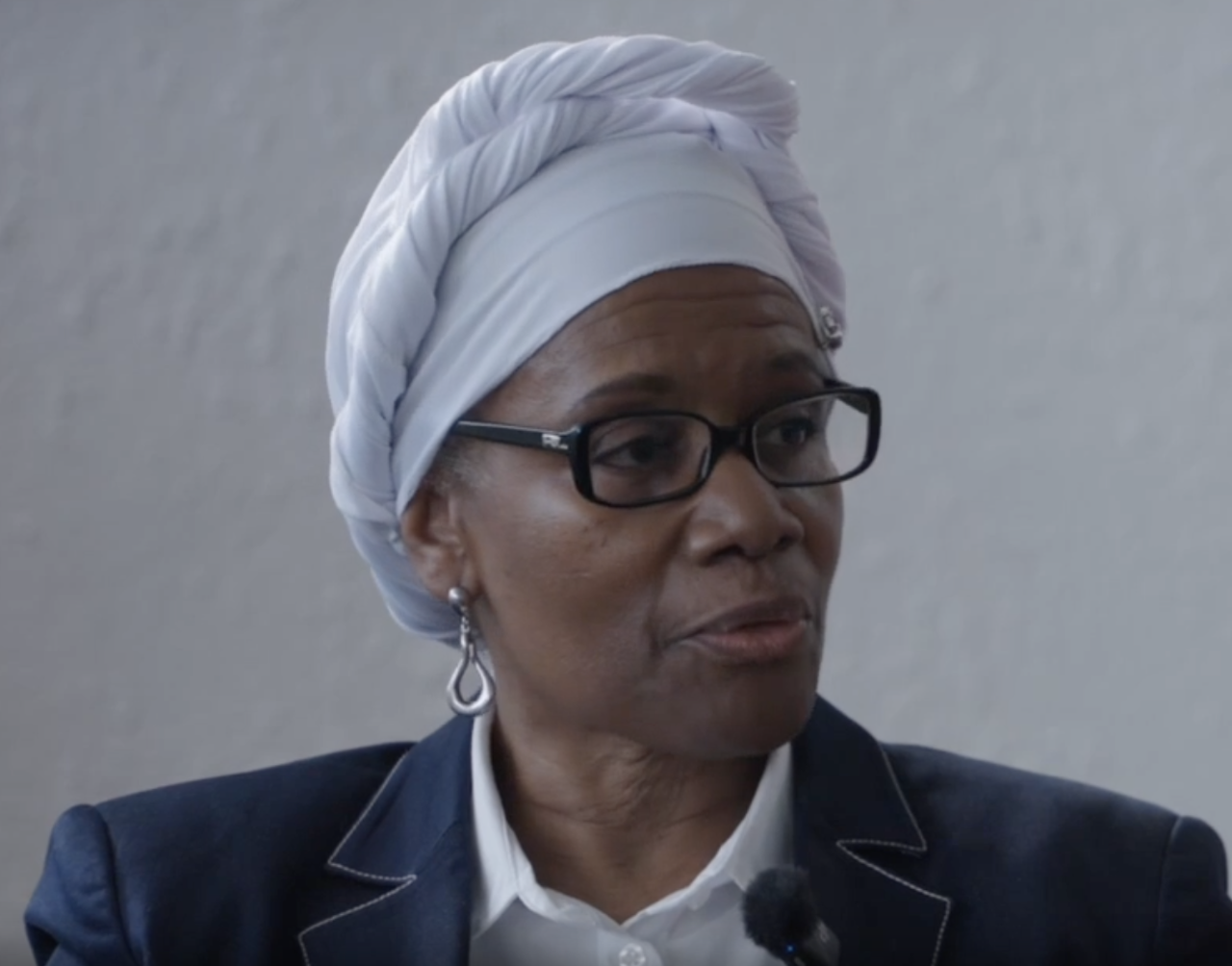
"I think one of the impacts was how brothers had 2nd chances if they're lives were not what they should be or what they wanted to be," Green said.
With Ramadan beginning this week, both women look forward to their favorite aspects of the holy month: community bonding and philanthropy.
"I'm always ready for Ramadan," Shakoor said. "When we all break fast together" is her favorite part of the observance.
For Green, the mosque's mission extends beyond worship.
"To being the cornerstone of the community, available for those that would want to come in and learn," she said when asked about the masjid's legacy.
As the imam reflects on the responsibility that comes with preserving this history, he acknowledges the weight of the mosque's significance.
"It is overwhelming, and it comes with a great responsibility," Rashad said.
Masjid Wali Muhammad remains a living bridge between faith and heritage, connecting generations of Muslim African Americans as they observe both Black History Month and prepare for Ramadan.
This story was reported on-air by a journalist and has been converted to this platform with the assistance of AI. Our editorial team verifies all reporting on all platforms for fairness and accuracy.
