

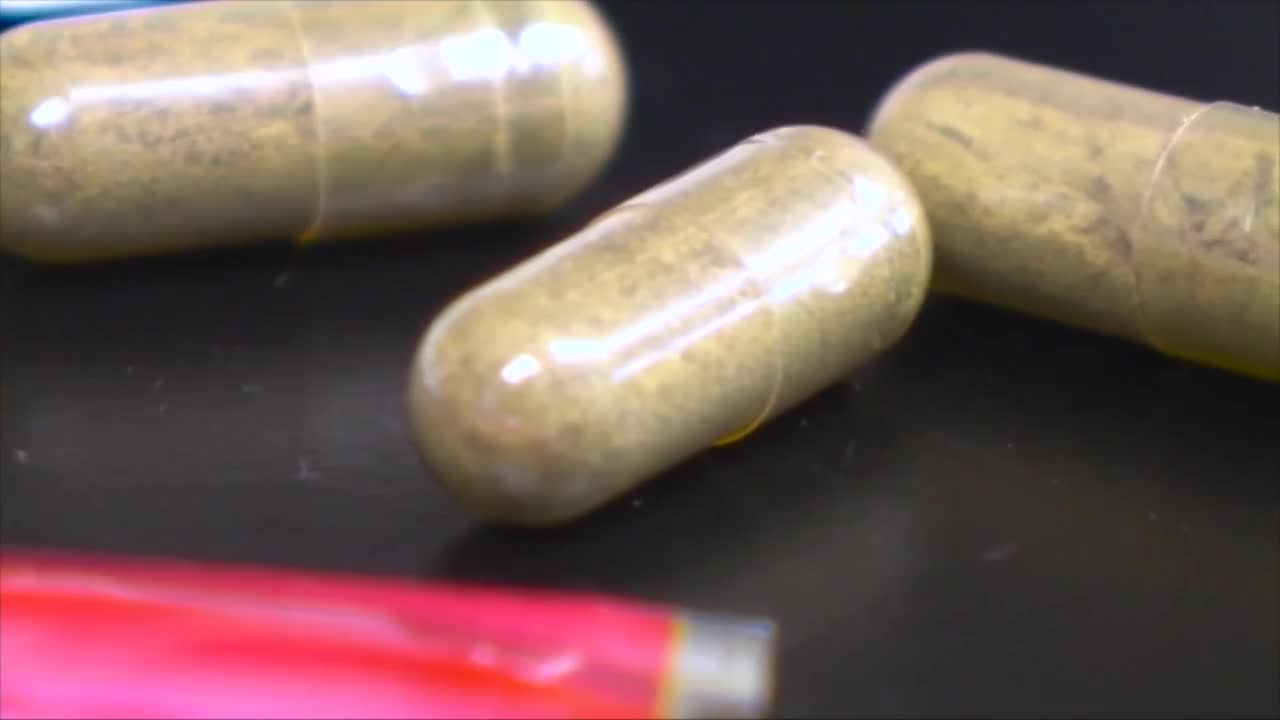


Plymouth Township is moving toward a total ban on kratom products after the Board of Trustees voted unanimously Tuesday to advance a new ordinance amendment that would prohibit the sale of the substance.
Kratom products are currently sold at locations throughout Plymouth Township. If the ordinance passes at a later meeting, those caught selling or distributing the products could face civil fines ranging from $1,000 to $7,500, depending on the offense. An aggravated violation carries a fine of up to $25,000. Repeat violations carry misdemeanor penalties.
Plymouth Township Police Chief James Knittel Jr. has been pushing to prohibit kratom sales in the community, including "7-OH" citing concerns about the substance's impact on young people.
Watch 7 News Detroit reporter Christiana Ford's story in the video below:
"This community, we look out for our kids and this is concerning for us," James Knittel Jr. said.
Knittel said kratom's effects on the central nervous system are particularly concerning for young people.
"Kratom, the nickname for kratom is gas station heroin, and it's very concerning how it impacts the central nervous system, changes mood swings, things like that, particularly with our youth," Knittel said.
He said Plymouth Township is working to follow the lead of other nearby communities that have already moved to regulate the substance.
"We're trying to stay ahead of this very similar to what Canton did, Clinton Township, some other communities in the area, because we are seeing increases in this sale and increases in folks having substance abuse issues with this product mixed with others," Knittel said.
Knittel said enforcement of the potential ban would begin with education before escalating to civil or criminal action.
"We're not going to take quick action. We're going to educate them first. We're going to advise them what the ordinance is, give them opportunity to comply, and then you know from there on forward, we will continue to monitor that. And if we need to take action, we can certainly take civil action in this ordinance. And then if that doesn't work, then we can take criminal action," Knittel said.
The concern about kratom's impact on young people is shared by nonprofit organization Growth Works, which has been encouraging communities to take action and educate themselves. Growth Works is a local nonprofit that works with at-risk youth and families, including those dealing with substance use and involvement in the juvenile justice system.
"Even if we're not seeing the volume and the numbers of kids specifically coming to Growth Works that are already struggling with kratom, the fact is it's out there, it's accessible, and we want to change that and making sure, particularly for young people and their families and anybody who's in their lives, that they know the very serious risks associated with this," Laura Reiners, Director of Government Relations and Communications at Growth Works, said.
7 News Detroit has reported on how Sterling Heights addressed the sale of kratom in the video below:
Growth Works has been hearing increased interest from local governments and regional partners, including communities involved with the Conference of Western Wayne, as the issue gains attention at both the state and federal levels. Reiners said educating communities on the issue aligns with the organization's mission.
"Growth Works mission is to serve kids and families and any time, particularly when it comes to substances, things that can be dangerous to young people, we feel that is a part of our mission to speak out," Reiners said.
Communities including Canton, Sterling Heights and Clinton Township have already taken steps to regulate kratom. Statewide legislation on the substance remains on hold in the Senate.
This story was reported on-air by a journalist and has been converted to this platform with the assistance of AI. Our editorial team verifies all reporting on all platforms for fairness and accuracy.
