

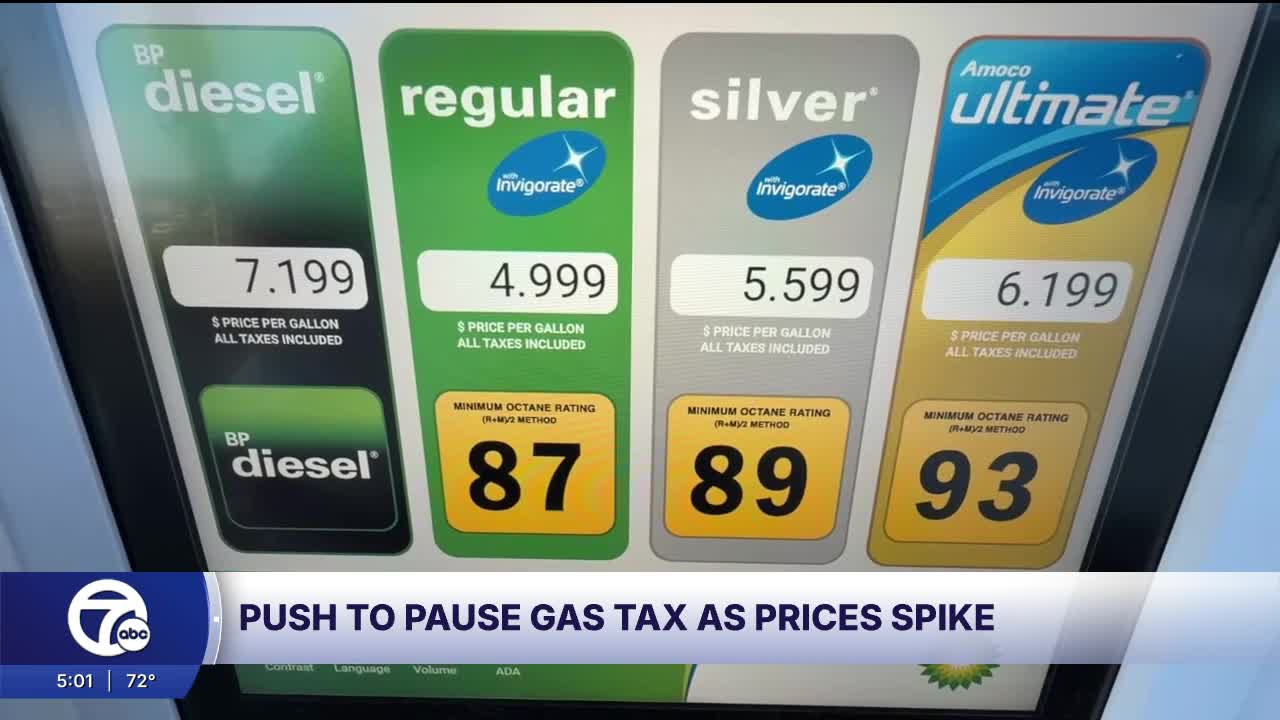


SOUTHFIELD, Mich. (WXYZ) — As gas prices continue to climb across Michigan, a renewed debate is unfolding over whether the state should temporarily suspend its gas tax to provide relief for drivers.
Michigan's gas tax currently stands at 52.4 cents per gallon. Supporters of a temporary pause argue that eliminating the tax could help reduce costs at the pump, while critics question whether the savings would be significant and warn it could affect funding for road repairs and transportation projects.
The discussion comes as drivers across Metro Detroit say they are feeling the strain of higher fuel costs.
Watch Tiarra Braddock's story in the video below:
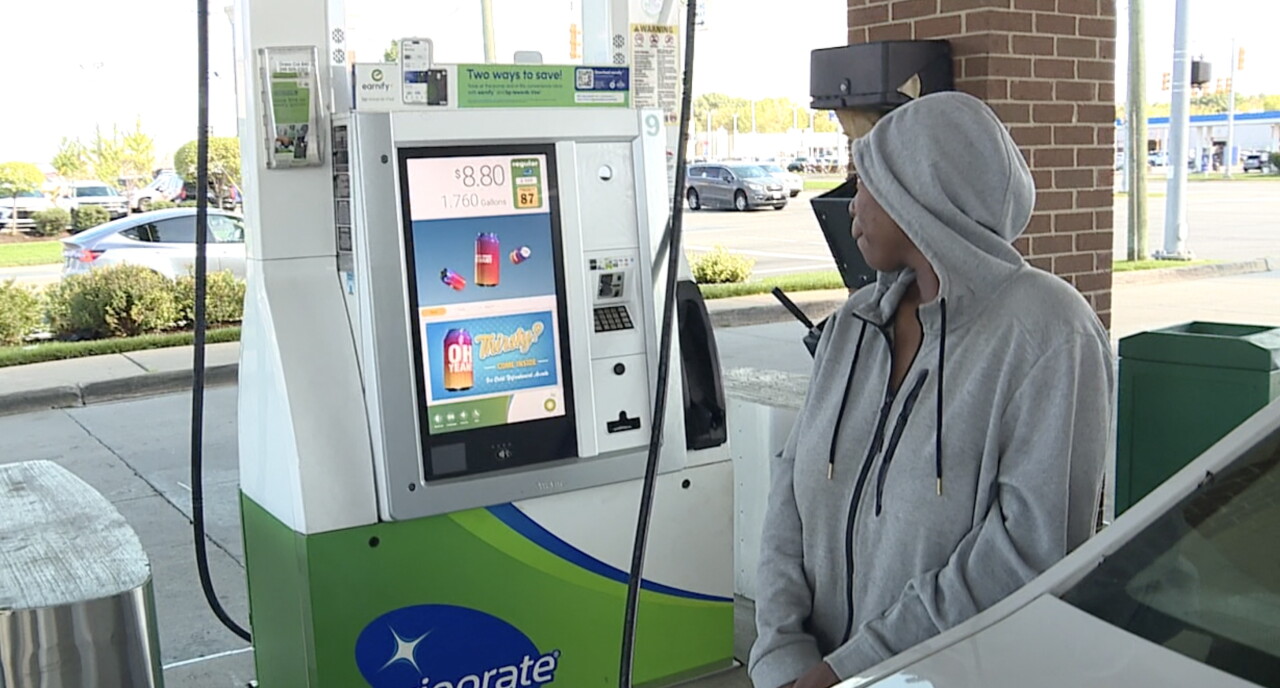
"I really need relief, like $5 a gallon is a little excessive in Michigan," said Latoya Miller, a DoorDash driver, in Metro Detroit.
Miller says rising gas prices have made it difficult to put money aside.
"I can't even save money because I'm paying for gas all day," she said.
According to AAA, regular gasoline in Michigan is averaging about $4.89 per gallon, while premium fuel has climbed to roughly $6 per gallon.
The issue has recently gained attention on the campaign trail, with U.S. Senate candidates Mike Rogers and Abdul El-Sayed calling for a pause on Michigan's gas tax as motorists face higher fuel costs.
For some drivers, any reduction in prices would be welcome.
"Anything that they can do, a pause, a stop, anything to me would help," said driver Robin Jones.
However, economists are skeptical that suspending the tax would provide meaningful long-term relief.
Dr. Michael Belzer, a Wayne State University professor emeritus of economics, says the proposed tax pause would have only a limited effect on what drivers pay.
"The answer is no. First of all, it's not that much money and prices have risen, I can't even count," Belzer said when asked whether suspending the tax would significantly lower prices at the pump.
Belzer also warns that reducing or eliminating the fuel tax could impact revenue used to maintain Michigan's roads and highways.
"There isn't a way to reduce the fuel tax without harming the construction and repair of highways," he said.
Analysts point to multiple factors driving fuel prices higher, including the war in Iran and a refinery outage in the Midwest that has disrupted fuel supplies.
While policymakers continue to debate possible solutions, many drivers say they are focused on one thing: finding relief from high gas prices.
"A lot of people right now don't even have our jobs and we just making ends meet," Jones said.
