

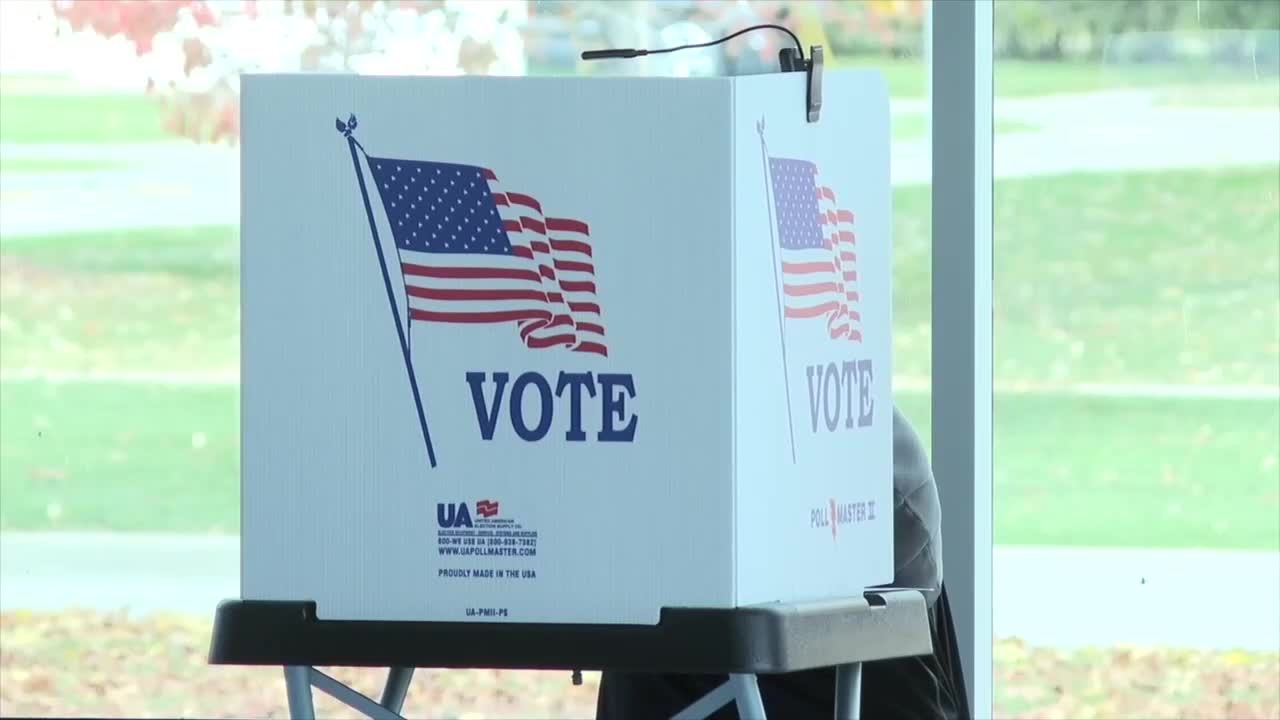



(WXYZ) — Michigan voters have approved Proposal 2, a ballot initiative aimed at limiting the political influence of large government contractors and expanding campaign finance transparency.
Supporters say the measure will help reduce the role that major corporations, including utilities such as DTE Energy and Consumers Energy, play in state politics. But while voters have approved the proposal, implementation of the new rules is still months away and questions remain about how the law will be enforced.
WATCH 7 News Detroit reporter Tiarra Braddock's story in the media player below:
What Proposal 2 does
Proposal 2 prohibits certain companies that receive significant state contracts from making political contributions to state candidates and officials. It also expands campaign finance disclosure requirements.
Supporters argued the measure would increase transparency and help prevent large government contractors from exerting undue influence over elected leaders.
“It’s a good thing,” said Detroit resident Damon Mailey. “I don’t think a public service should contribute to our democracy.”
Lathrup Village resident Ed Blondin shared a similar view.
“I think these big corporations contributing to campaigns has gotta stop,” Blondin said.
Supporters celebrate ballot victory
Michigan United was among the organizations that helped lead the citizen-driven effort behind Proposal 2.
“Now, we have new rules in place so that specifically if a company makes a quarter of a million dollars in state contracts, they’re prohibited from donating to state politicians,” said Erik Shelley, director of direct action for Michigan United.
Shelley said the vote represents a major accomplishment for organizers.
“It really feels great to know that we can do these things,” he said.
Utility companies respond
7 News Detroit reached out to Consumers Energy for comment on the proposal. A company spokesperson declined to comment.
DTE Energy provided a statement saying:
“DTE has long supported the right of our team members to lawfully participate in the political process and engage on issues that affect their families, communities and livelihoods. We will continue to assess the proposal and determine the appropriate path forward.”— Ryan Lowry, DTE Energy
When will the law take effect?
According to Eric Walcott, a senior specialist with Michigan State University Extension’s Government and Community Vitality Programs, the proposal becomes law shortly after the election results are certified.
“Ballot proposals go into effect 10 days after the election is certified essentially, so that’s when this becomes law,” Walcott said. “This law says the provisions in it go into effect 18 months after it’s adopted.”
That means Michigan agencies will have about a year and a half to develop the processes and oversight mechanisms needed to enforce the new requirements.
Walcott said monitoring compliance could largely rely on existing campaign finance reporting systems.
“As campaign finance reports are filed, it shouldn’t be too hard to kind of flag, are these people on this list contributing? If so, that’s a violation,” he said.
Legal challenge already filed
Even before the law takes effect, Proposal 2 is facing legal scrutiny.
The Mackinac Center for Public Policy has filed a lawsuit challenging portions of the initiative, arguing that two provisions violate First Amendment protections.
