

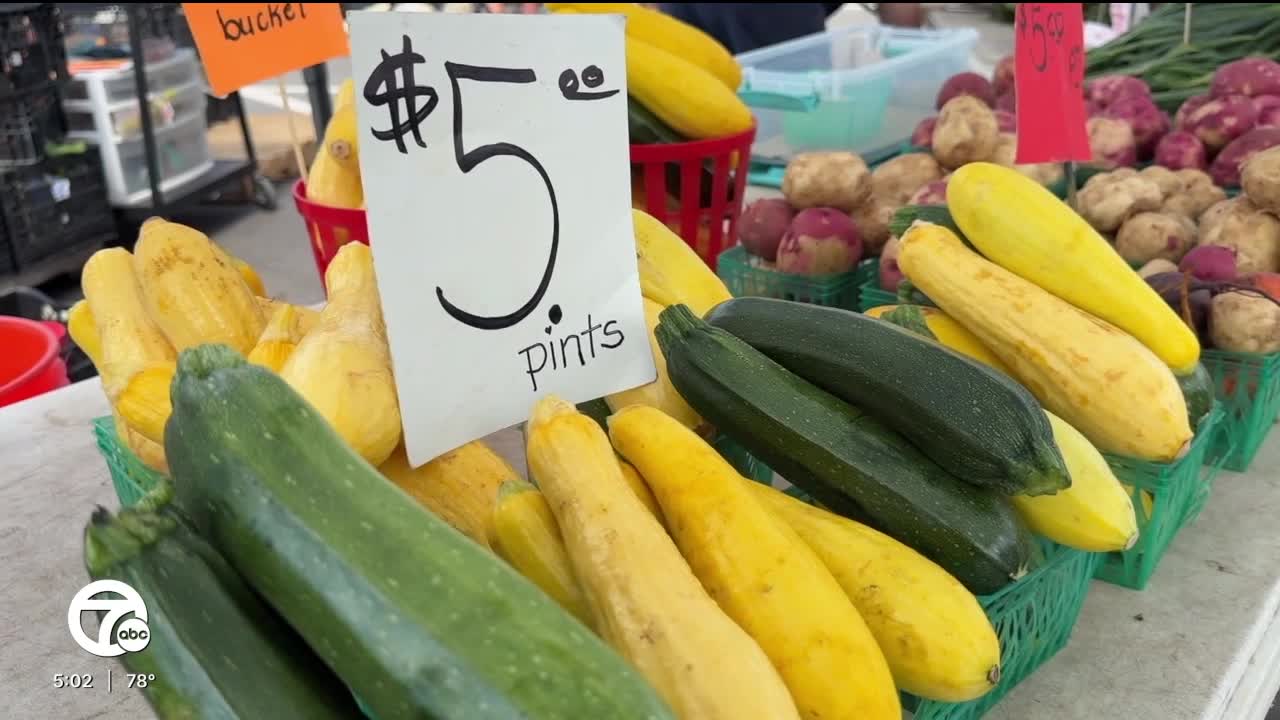


WATERFORD TOWNSHIP, Mich. (WXYZ) — State health officials are tracking a rapidly growing outbreak of cyclosporiasis across Southeast Michigan.
Watch Darren Cunningham's video report:
As of Thursday, July 9th, the state said 1,251 people have been sickened by the parasite.
While investigators are still looking into the exact source of the contamination, the scare is already shifting how some local families buy their food.
Instead of avoiding fresh produce altogether, some shoppers are skipping the big chains and heading straight to the source, looking for peace of mind.
Danielle Gurak, of Waterford, said, "That's why I came to the farmers market to get vegetables.. cause I feel that it’s a little safer this way.”
“Well, I’m thinking about some fresh herbs, and then I really came here to buy lettuce, asparagus, onions," she explained.
Gurak added, “I’m nervous on the lettuce, but I feel like this is the place to get it.”
For some at the market, the threat of cyclosporiasis isn't just a headline. It hit right at home.
Miranda Glascock said, “Actually, my husband had it a couple weeks ago.”
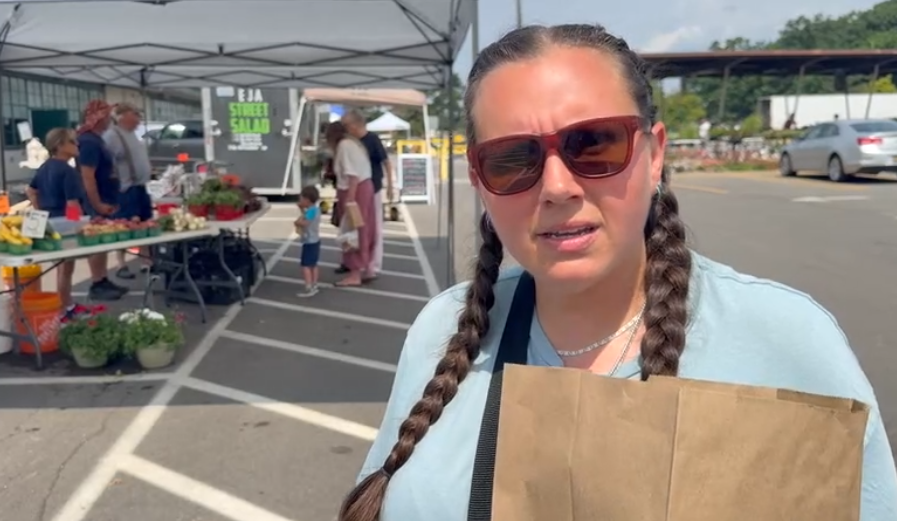
“We think it was from some lettuce from a sandwich. So, I’m kind of paranoid to go to the grocery store. So, we’re coming here to the farmers market," the Pontiac resident explained.
Glascock added, “Just the fact that it’s homegrown and not mass-produced and mass-packaged.”
“I feel much better getting it here than I do from a big grocery chain," she said.
Local growers are feeling the sudden shift in demand as consumers really consider where their dinner is coming from.
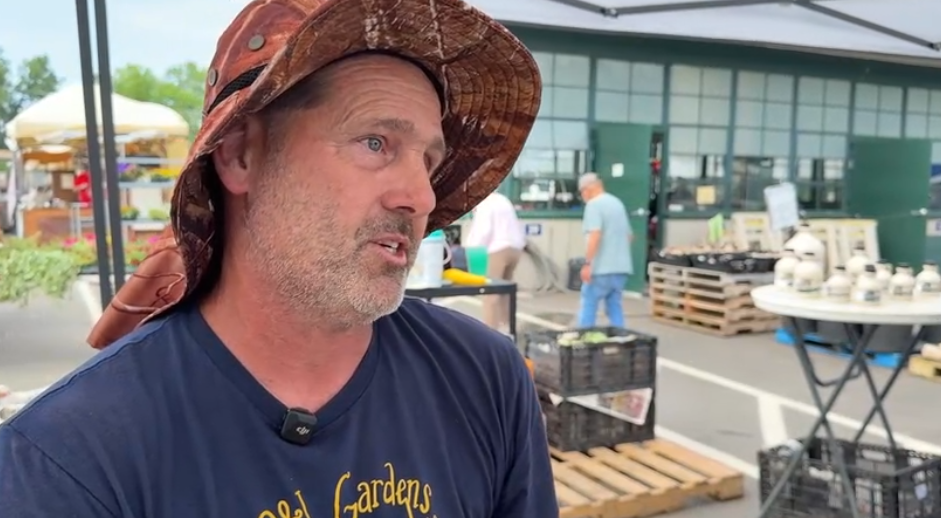
Produce farmer Brian Penzein, who owns B & L Gardens, said he's been selling at the market for 25 years. The past week and a half have been unique.
"I’ve had quite a few people looking for clean lettuce, as they call it. They want to make sure it doesn’t have anything in it, that it’s not shipped in from somewhere and all of that, and I’m like, ‘I grow my own’," he explained.
Penzien recalled, “We had a scare on spinach a few years ago. Had the same thing. Everybody started coming to the market looking for clean spinach.”
Even for those who grow the crops, the widespread reach of the parasite is alarming.
“My sister got it. She thought she got it in Chicago, but she had found out she got it before that," Penzien said.
While sourcing locally eliminates the massive mass-packaging distribution pipeline, farmers and health experts emphasize that home defense is still your best defense.
“People need to wash their produce very well, even after the vendor they got it from has washed it," Penzien advised.
Glascock said, “We got some lettuce that we’re going to try and grill at home. Some squash too and then we just grabbed some yellow beets, some red beets.”
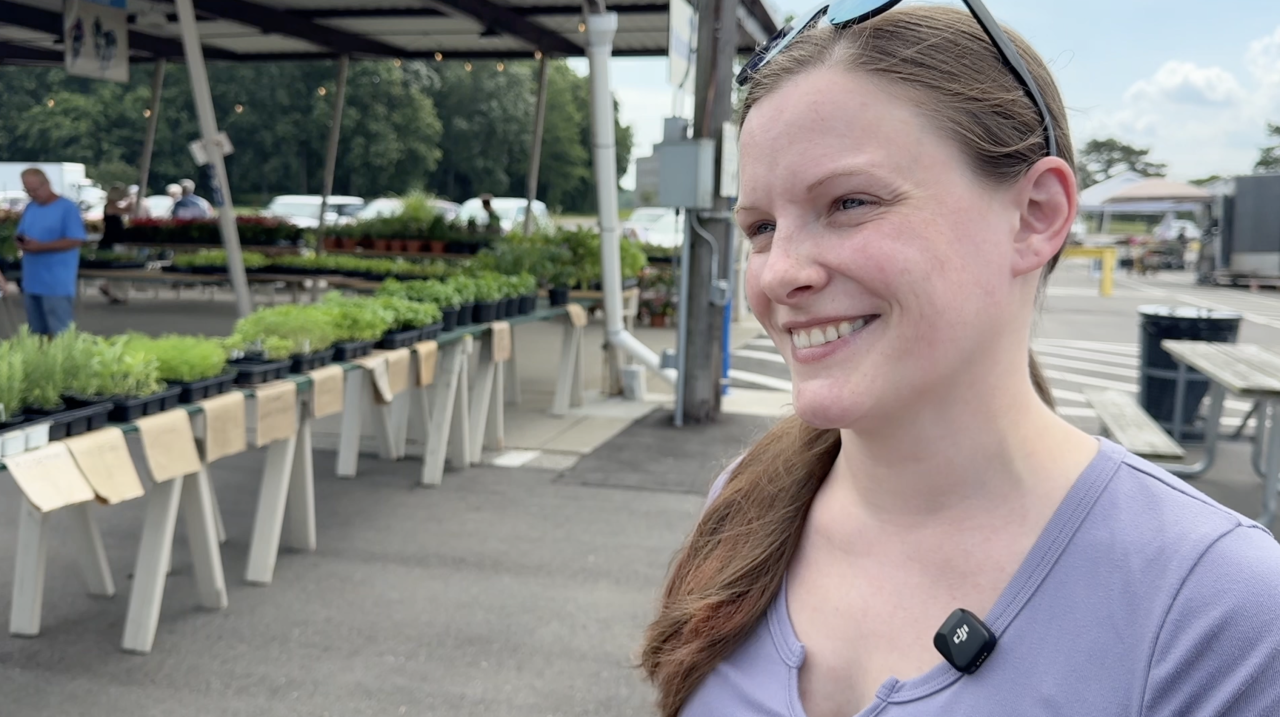
Gurak said of the parasite she's, “trying to avoid it. That’s all I’m doing.”
State health officials are tracking the numbers closely, urging extreme caution with raw greens and fresh herbs across Southeast Michigan.
Dr. Natasha Bagdasarian told 7 News Detroit that all precautions are necessary,
"There's no 100% way to be sure that your leafy green is protected just because you bought it locally. The key is to making sure that you're buying a whole lettuce or whole leafy green, removing that outer layer, because when you are buying things that have been pre-bagged or pre-washed, those salad mixes for example, there are more steps along the way where contamination can occur," Bagdasarian said.
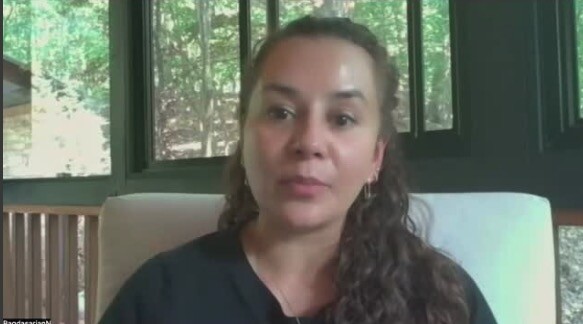
FULL INTERVIEW: Dr. Natasha Bagdasarian on cyclosporiasis and produce
