

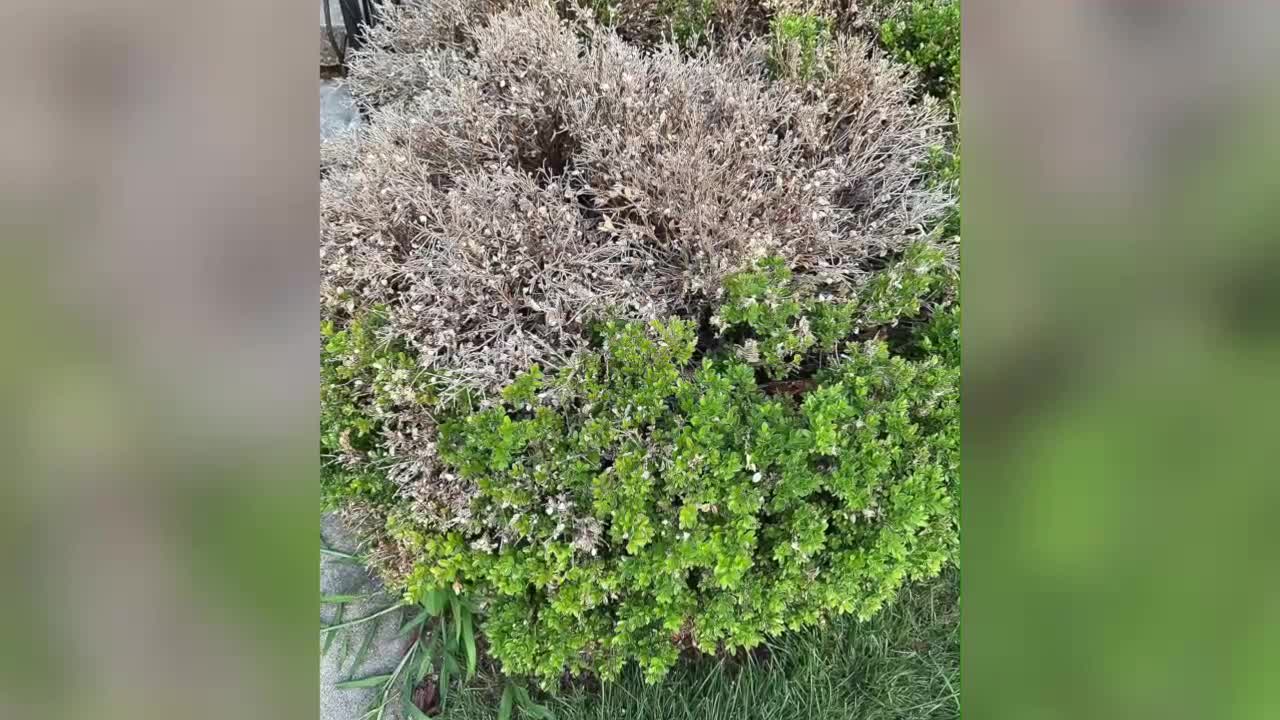


ROYAL OAK, Mich. (WXYZ) — In metro Detroit, communities are continuing to discover their boxwood shrubs are turning brown. This comes as the plant becomes increasingly threatened by factors such as diseases, pests and weather.
Watch Demetrios Sanders' report below
Boxwoods are typically known for their low maintenance qualities. But as of late, a number of environmental factors have made caring for them more difficult. Fortunately, though, experts say there are steps you can take to help protect your plants.
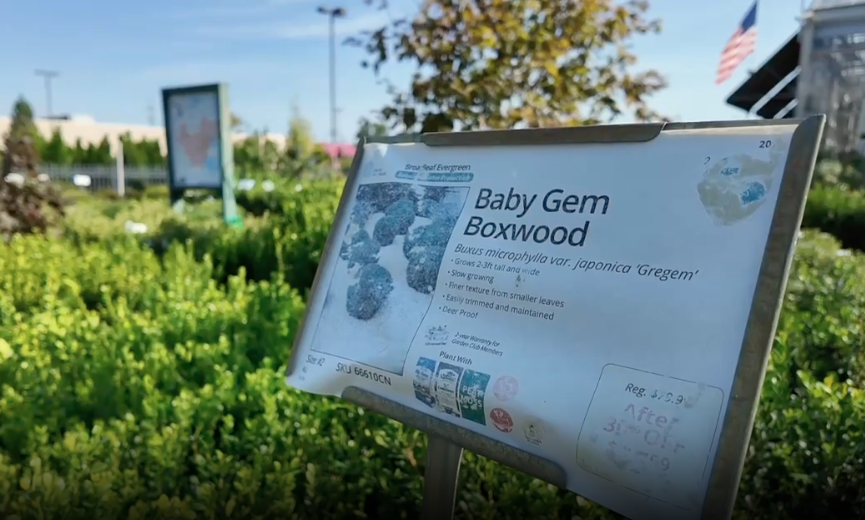
They are one of the most popular plants you'll find.

"When you go through most neighborhoods around the area, just all throughout Michigan, they are abundant on everyone's property," said Chris Ellison, a garden pharmacist with English Gardens.
But lately, more people in metro Detroit have seen their boxwoods go from looking green to looking brown.
"I'm looking at my boxwoods, I had three that were just totally brown in one area that I took out and then I had a hedge that was half-dead," said Tricia Lasota.
Staff with Michigan State University Extension say the health of boxwoods can be impacted by several elements, including harsh winters and droughts.
There's also the presence of diseases like boxwood blight and pests.
"Things like boxwood psyllids, spider mites, the boxwood leaf miner, all common pests they can get," said Caitlin Splawski with MSU extension, referring to the pests.
But now there's a newer threat that's especially affecting the plant.
"It's called the box tree moth, and they exclusively feed on boxwoods," Splawski told me.
Experts say the box tree moth is native to east Asia and arrived in Michigan in 2022. It does it's most damage as a caterpillar and is under quarantine in 13 counties in the southeastern portion of the state.
Ellison pointed out that early detection is key.
"When the caterpillars are younger, they actually fold or sew the leaves, fold the flat shut together, and they will hide in there before we start feeding," Ellison said.
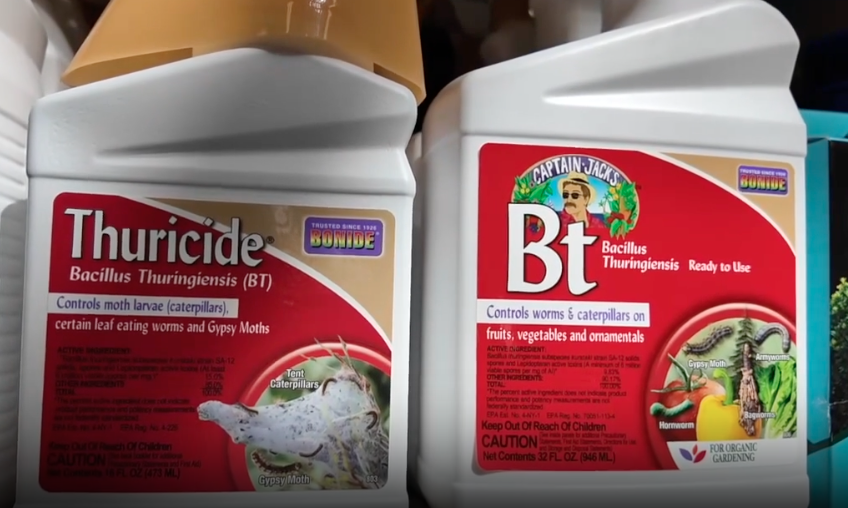
He adds that spraying an organic insecticide, known as BT (bacillus thuringiensis), will help kill the pest. And using the right type of fertilizer will promote new growth for your boxwoods.
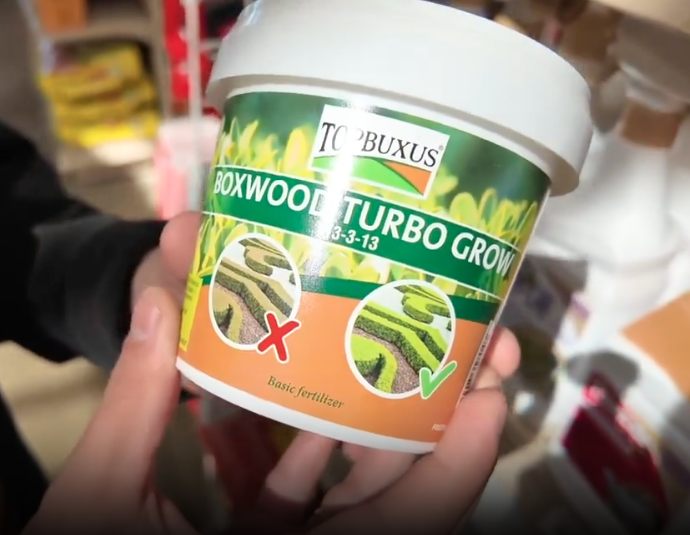
"We are finding that this Boxwood Turbo Grow is superior to anything else we've used in the past," Ellison said.
If you have questions about boxwoods, English Gardens says they have professionals who can help. You can also send samples of your plants to the MSU extension lab, with more information available at this link.
