



Lauren Dybowski thought she knew everything about her 9-year-old Husky mix, Remy. The pair had spent nearly a decade together hiking, paddle-boarding, and exploring Michigan. She even has a tattoo of his face on her leg.
Watch Faraz's story in the video player below
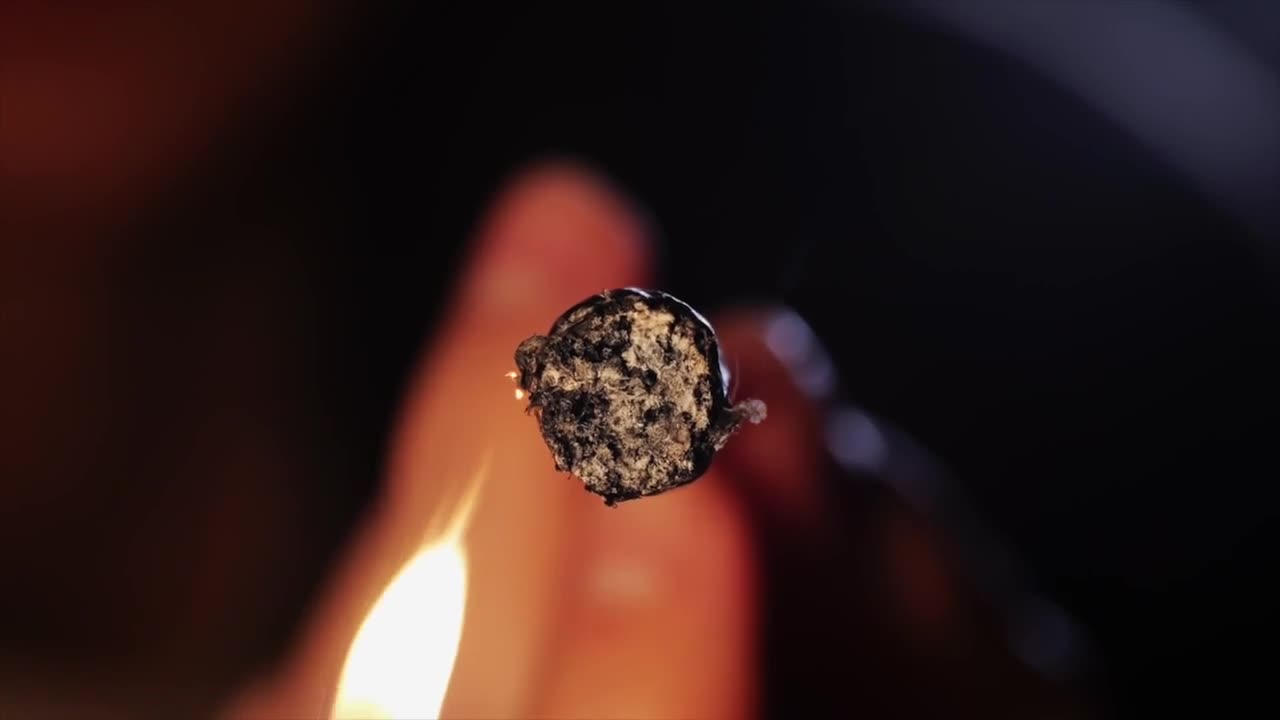
But one night at a friend's house changed everything when Remy gobbled up cannabis ashes from a spilled ashtray.


"He is my first dog ever. He spent the past 9 years with me, and we have many, many more years together. He is very special to me," Dybowski said.
What seemed harmless at first became a medical emergency by morning. Remy was motionless, lying in his own urine and unable to walk.
"It was very scary. I called my friend, and I was like, 'is there anything I should know about that is in that ashtray?' And she said, 'No, its just from my joint and things. And there is nothing to worry about.' And there is nothing that would cause him real harm," Dybowski said.
But it did cause harm. In 2024, the ASPCA Animal Poison Control Center handled over 450,000 intoxication cases, up 4 percent from 2023. Recreational drug exposures, especially marijuana and hallucinogenic mushrooms, remained a growing concern.
Dybowski rushed Remy to emergency veterinarian Caleigh Griffin, who has seen more of these cases since marijuana became legal in Michigan.

"Typically, the signs people are going to see at home, they become depressed, they walk like they are drunk," Griffin said.
The symptoms affect both cats and dogs similarly, but Griffin sees cases more often in dogs.
"Cats typically don't get into chocolates or plants, or ash trays. Dogs are much more curious," Griffin said.
The Pet Poison Helpline warns that edibles can be worse than plant material because they often contain chocolate or xylitol, which are deadly to dogs even in small doses.
Griffin said veterinarians use the same drug tests on pets as they do on humans, through urine samples. She has also treated pets for cocaine and methamphetamine exposure.
"Usually with cocaine, we can either see very depressed or very agitated," Griffin said.
While marijuana itself is not typically dangerous to pets, complications can arise when animals are not in a neurologically sound state of mind.
"Since they are not in a neurologically right state of mind, if they vomit and aspirate it and get pneumonia, that could compromise them. But usually the marijuana is not unless they get into amounts of it that they become comatose," Griffin said.
Like most intoxicated pets, Remy recovered within 24 hours. Griffin recommends keeping affected pets away from stairs and furniture to prevent falls during recovery.
Dybowski's takeaway is simple: secure anything that could harm pets, including ashtrays, wrappers, and half-eaten edibles.
"No, I did not, I never expected him to be so intensely out of it," Dybowski said when asked if she knew pets could become intoxicated from drugs.
Veterinarians recommend calling your regular vet when in doubt or reaching out to an emergency veterinary clinic if your regular vet is unavailable.
This story was reported on-air by a journalist and has been converted to this platform with the assistance of AI. Our editorial team verifies all reporting on all platforms for fairness and accuracy.
