



ROMULUS, Mich. — A metro Detroit family is sharing their heartbreak during Diabetes Awareness Month in hopes it could save another life.
Related: Diabetes Awareness Month: How Breakthrough T1D is working to get people screened & find a cure
Their 23-year-old son, Logan McDonald, appeared healthy and had no known diagnosis. But after his sudden death, the family learned he had Type 1 diabetes — and they say early detection can make all the difference.
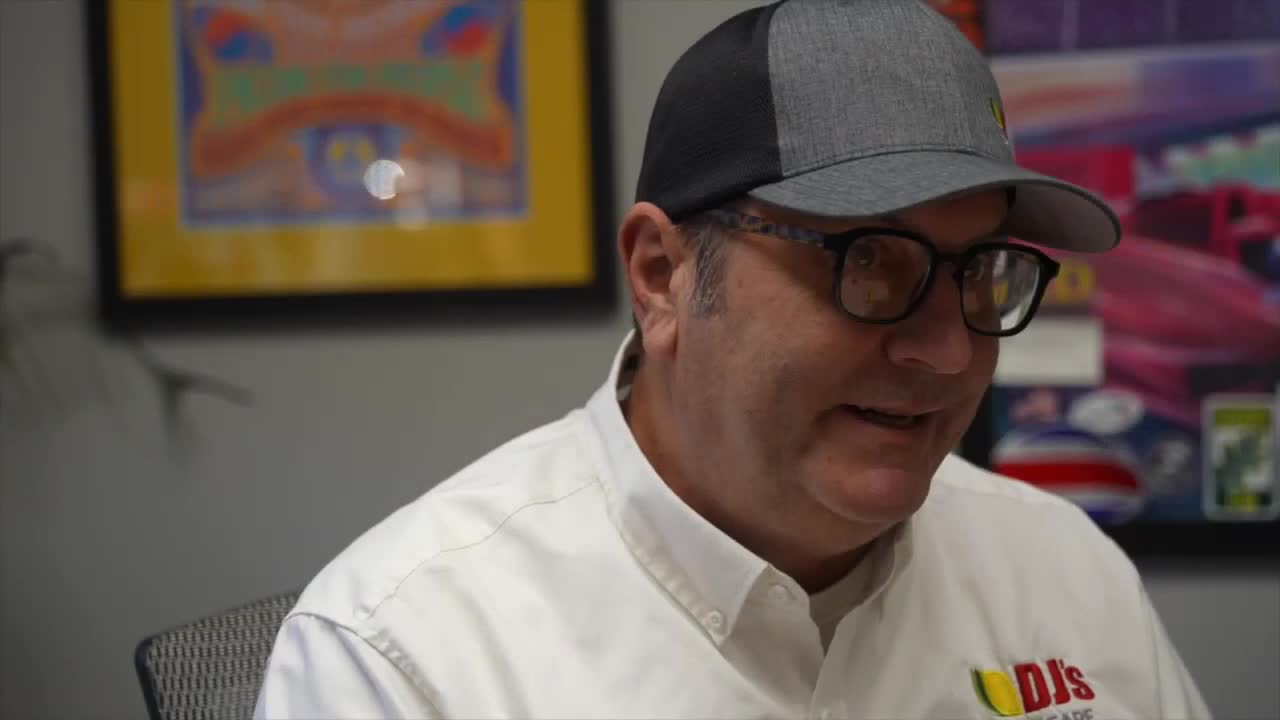
"He was a perfectly healthy young man," said Brian McDonald, Logan's father.
See the full story in the video below
Just over a year ago, Logan drove his mother and father to the airport to celebrate their 30th anniversary.
"And that was the last time we saw him," McDonald said.
Related: How early screening is helping detect type one diabetes before symptoms appear
After uncharacteristically not hearing from their son for days, their youngest son, Evan, went to check on his older brother at home. He found him laying on the floor, unconscious and not breathing, and tried to help him as best he could.
"And, it was too late… we didn't know why, or how," McDonald said.
McDonald describes his son as loving, caring and giving — someone who loved to hike and move around, and was otherwise a healthy young man.
"Normal young man starting his life," McDonald said.
Ninety days after his death, an autopsy report revealed a Type 1 diabetes diagnosis, which can develop at any age, and was something the family was unaware of.
"There were no warning signs to us," McDonald said.
Related: The ‘birthplace of insulin’ is just two hours away from Detroit; go inside the Banting House
Logan entered a life-threatening state called diabetic ketoacidosis, his body no longer having the insulin needed to allow blood sugar into his cells to create energy, which claimed his life.
"The emptiness of knowing he's never coming back is there everyday," McDonald said.
For many, the diagnosis comes dangerously late.
"Unfortunately far too many people, including young children, their first realization that they have Type 1 Diabetes is when they're in the ER or ICU with Diabetic Ketoacidosis," said Joshua Vieth, senior director of research at Breakthrough T1D, a nonprofit group acting as a resource for those with Type 1 diabetes.
Vieth says 1.5 million Americans are diagnosed and living with the autoimmune disease, with some cases slipping through the cracks until it's too late.
"Most people diagnosed with Type 1 Diabetes are leading regular, healthy lives," Vieth said.
Like Logan.
"He didn't know. No one knew. It was surreal," McDonald said.
"We at Breakthrough T1D are focused on what we call early detection," Vieth said.
Vieth says more and more people are being diagnosed with Type 1 diabetes, and more than half of them are adults. He suggests getting children screened between the ages of 2 and 5, 6 and 8, and 11 and 15, and at any time for adults who are concerned — especially for those who have a relative with the disease.
Since the disease develops rapidly, he says to be on the lookout for symptoms like extreme thirst or hunger, and frequent urination or unexplained weight loss.
"Until you become insulin dependent, there really aren't symptoms… that's why that early detection is so important," Vieth said.
"Maybe there's something that someone else can pick up on and it can prevent them from having the same fate," McDonald said.
Breakthrough T1D has screening resources available online.
This story was reported on-air by a journalist and has been converted to this platform with the assistance of AI. Our editorial team verifies all reporting on all platforms for fairness and accuracy.
