

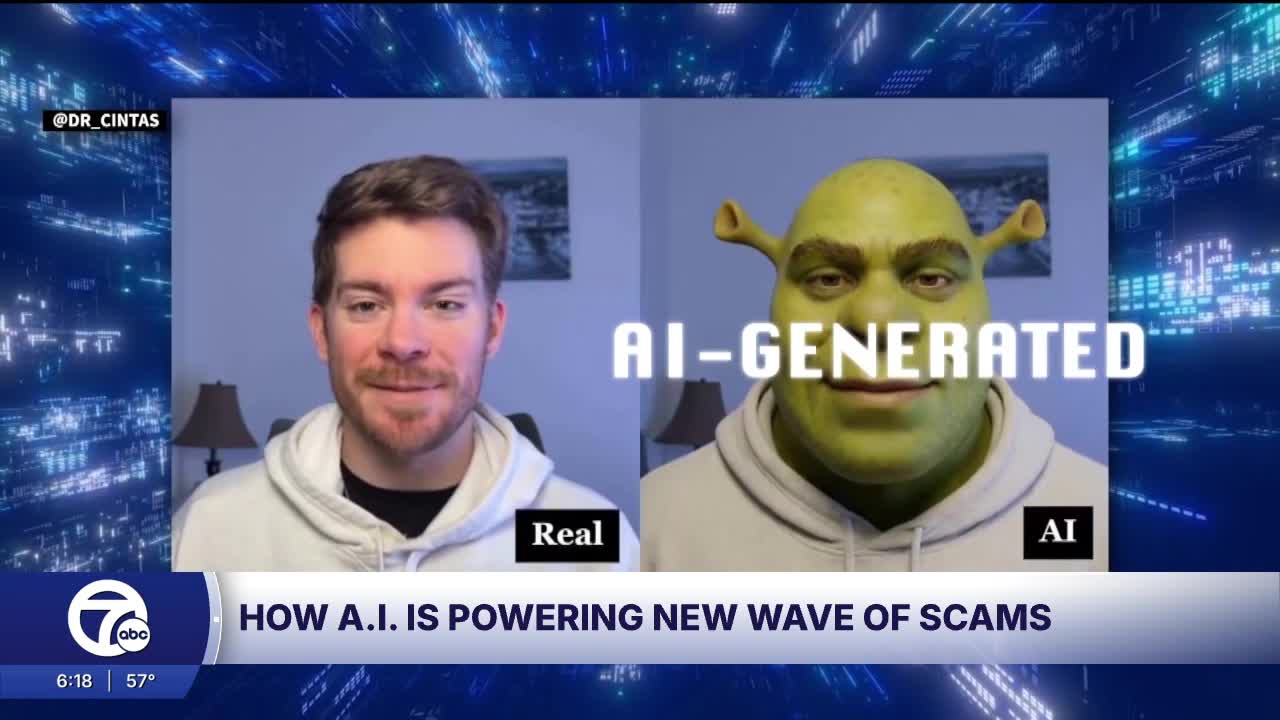


(WXYZ) — Artificial intelligence is weaving its way into nearly every part of our lives - from helpful uses that boost productivity and make everyday tasks easier, to more troubling ones, like scams targeting hard‑working Michiganders, that have seen a sharp uptick in the last few years.
Watch Ruta Ulcinaite's report below
Khalid Malik, an AI expert and professor at the University of Michigan-Flint, is passionate about the technology that has infiltrated our everyday lives. He knows AI can be a great benefit, but when in the wrong hands, can also be dangerous and harmful.
“You cannot tell with the naked eyes which one is real and which one is fake," Malik said as he showed us examples of AI-generated images and real images.
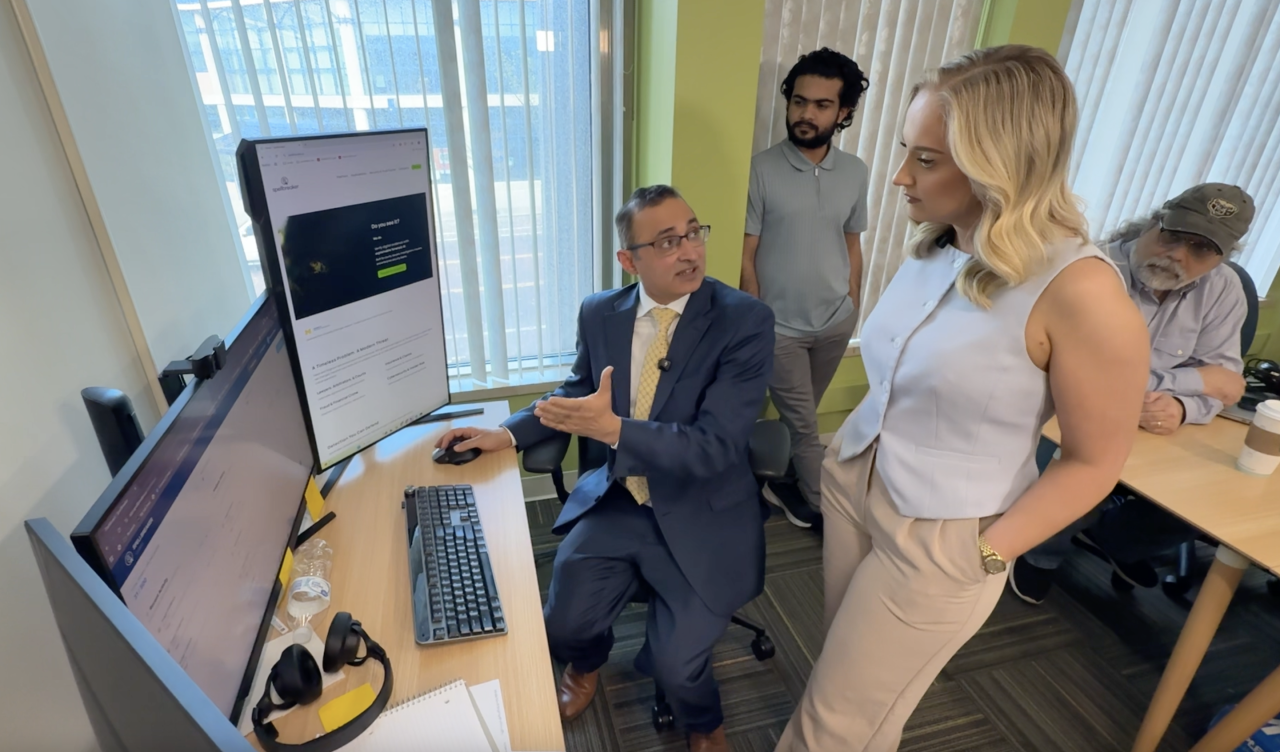
Malik says it doesn't take an expert to create AI-generated media anymore.
“You require now no skills, no money to create any deepfake," he added.
AI is being used by petty criminals to scam hard-working individuals, but it's also now being used on a larger scale; fake Zoom calls from scammers cloned as company leaders demanding critical account information from unsuspecting employees, fake images of dented vehicles trying to scam auto insurance companies. His fear is also that altering surveillance video used in trials could harm our legal system.
“It's become a lot more important than five years ago to act like a journalist, find out what the true source of it is, verify," Malik said.
St. Clair County Sheriff Mat King says his department is seeing an uptick in disturbing AI‑driven crimes, including two recent cases where scammers pulled real photos of local teens as young as 13, to create deepfake nude images and then tried to extort money by threatening to publish them.
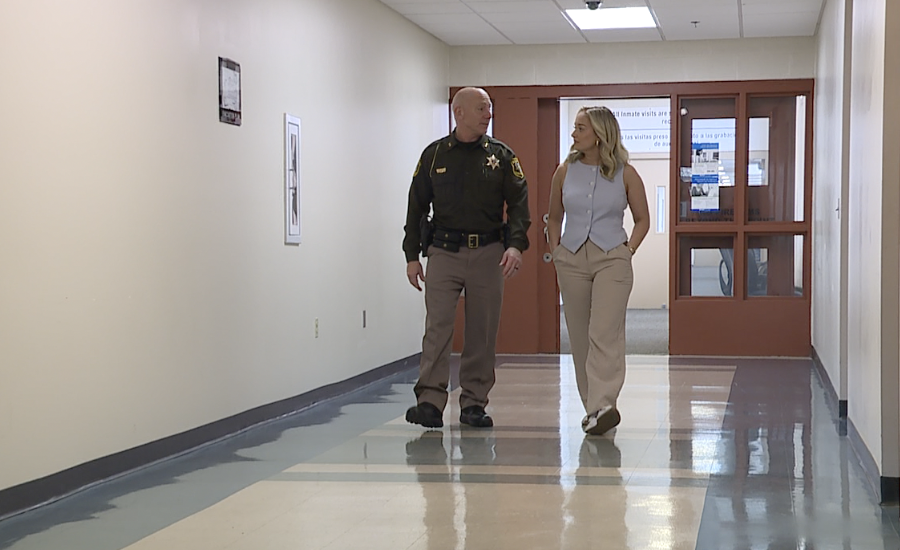
“The point is the AI is so realistic, these teenagers believe, and they start to panic," Sheriff King said. “It’s very frustrating that someone lacks a moral compass and doesn’t care that they could really, tragically impact someone’s life.”
Thankfully, the teens did the right thing in both recent cases and reported the incidents to a trusted adult. However, for Robin Panigi from Burton, it all happened so fast.
"I was awoken from my sleep and wasn't really thinking straight," she said. "And then when I heard my daughter, it was her voice."
Panigi was startled by a phone call last month -- claiming her 33-year-old daughter was in danger. Someone on the other line was saying she ruined a drug deal, and Panigi would need to send cash, fast.
"He told me if I didn't come up with it, that he would prostitute her out, and it scared me really bad," she said.
She sent $800 dollars, then the scammers demanded more. That’s when her bank teller told her to hang up and call her daughter. Turns out she was at work, safe.
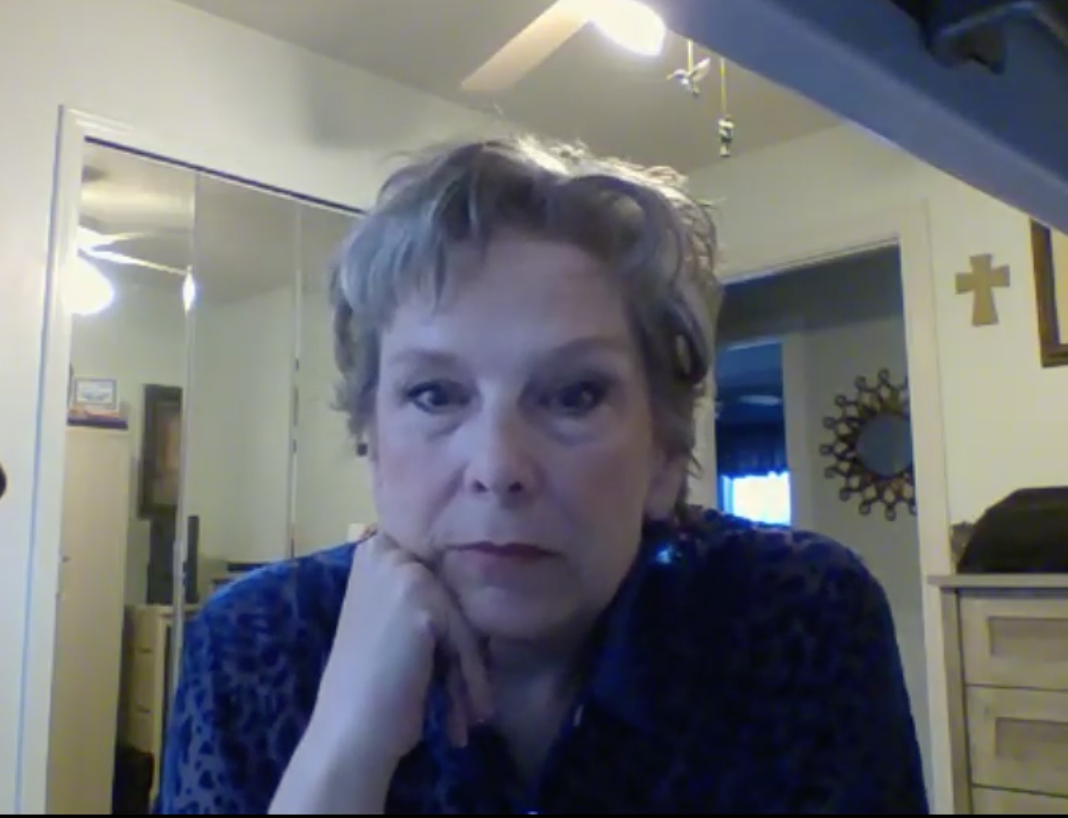
"Since then, we've come up with a code word that my whole family knows," Panigi added.
Dr. Malik says it’s these disturbing incidents that pushed him to create ProbeTruth in 2024, a technology that detects what’s real and what’s AI-generated.
His team hopes that its technology can help humans stay ahead as AI continues advancing. Malik believes more government oversight and regulations are necessary.
He also says the public needs to think more critically about what they see and hear online, so that people's safety doesn't get left behind as AI continues to advance.
“Certainly, the time has come that we need to be cautious, we need to verify every voice and any image or any video that we interact with," Malik said.
