

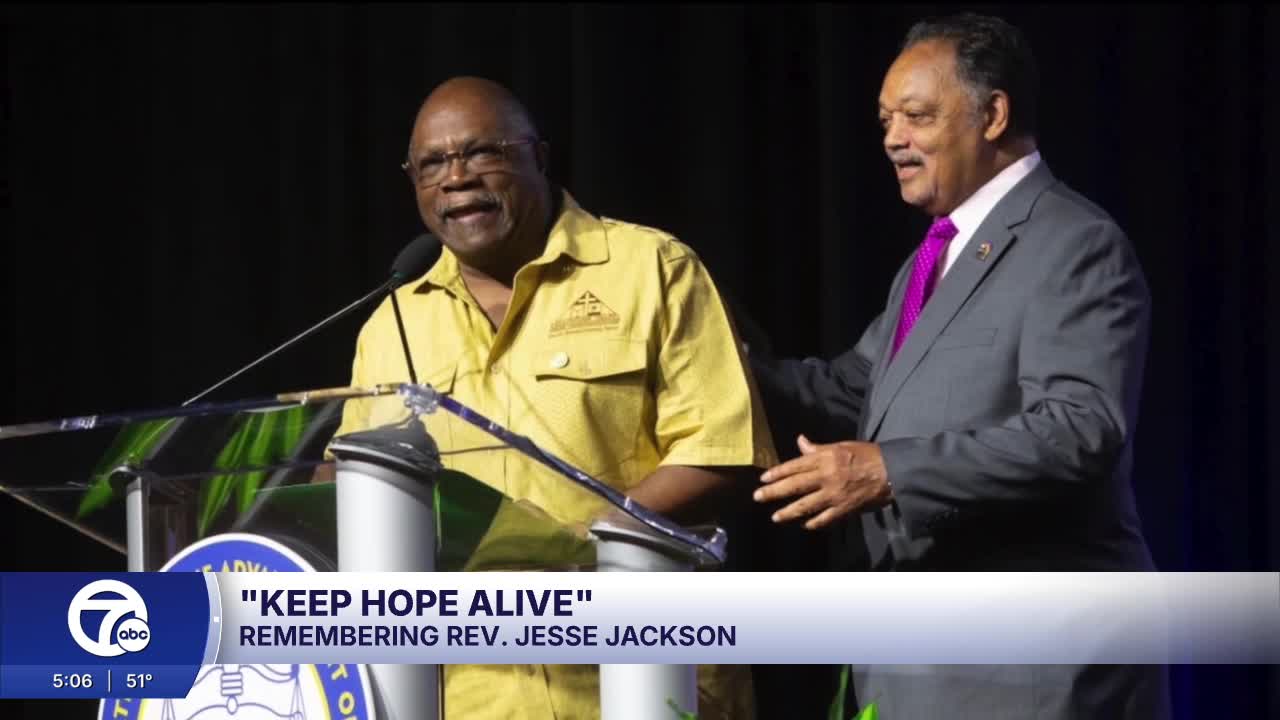


DETROIT (WXYZ) — Civil rights leader the Rev. Jesse Jackson, whose voice and vision shaped America's fight for equality, has died at age 84. Known globally for his activism, Jackson's impact was deeply felt in Detroit, where he inspired generations of leaders and fought tirelessly for justice.
Watch Faraz Javed's video report below:
For longtime NAACP Detroit President the Rev. Wendell Anthony, Jackson's legacy extends far beyond speeches — it lives in the tangible change he helped create across nearly four decades of friendship and mentorship.
"Jesse was bigger than life. He leaves behind a legacy that only a few people can achieve," Anthony said. "Jesse should be studied in schools and universities... how to do it as an activist, what it means to keep hope alive."
Watch another report from Faraz Javed below:
Jackson marched alongside the Rev. Martin Luther King Jr., founded the Rainbow PUSH Coalition and stood in Detroit's pulpits to rally for voting rights and justice. His influence reached from freeing prisoners overseas to bringing African nations closer to America and promoting diversity in corporate boardrooms.
"He taught us all no matter who you are, that you are somebody," Anthony said. "When people try to beat you down and you don't think you mean anything, his mantra, 'I am somebody,' that poem that he did, and his final mantra that he leaves to us today, which we desperately need — 'keep hope alive.'"

Jackson also ran for president in 1984 and 1988. Although he lost the Democratic primary both times, he helped pave the way for Barack Obama to become the nation's first Black president in 2008.
The protégé of King played key roles in advancing education, professional development, diversity initiatives and defending First Amendment protections for journalists.
A personal touch to public service
Beyond his public activism, Jackson demonstrated his commitment to strong families through personal gestures. He flew into Detroit specifically to officiate Anthony's wedding 21 years ago, despite Anthony having a broken ankle.
"I had busted my ankle — so I rolled up and standing there, my wife, Tabib, was standing next to me," Anthony recalled. "He said 'Y'all, Wendell got to roll up to the wedding because he rolling in because he can't stand up right now.' And then he began to talk about marriage and how important the connection was. And that we need families in our community."

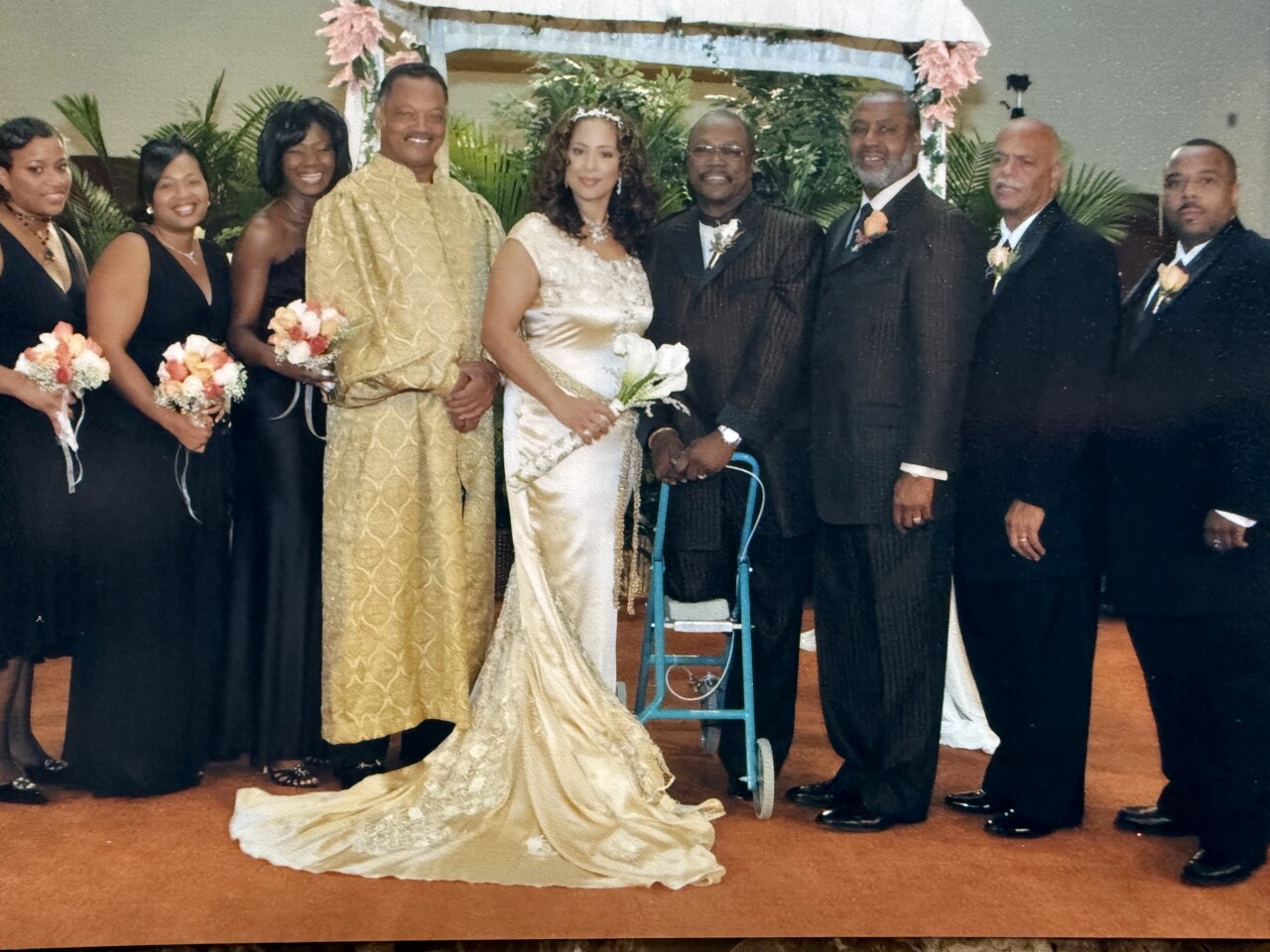
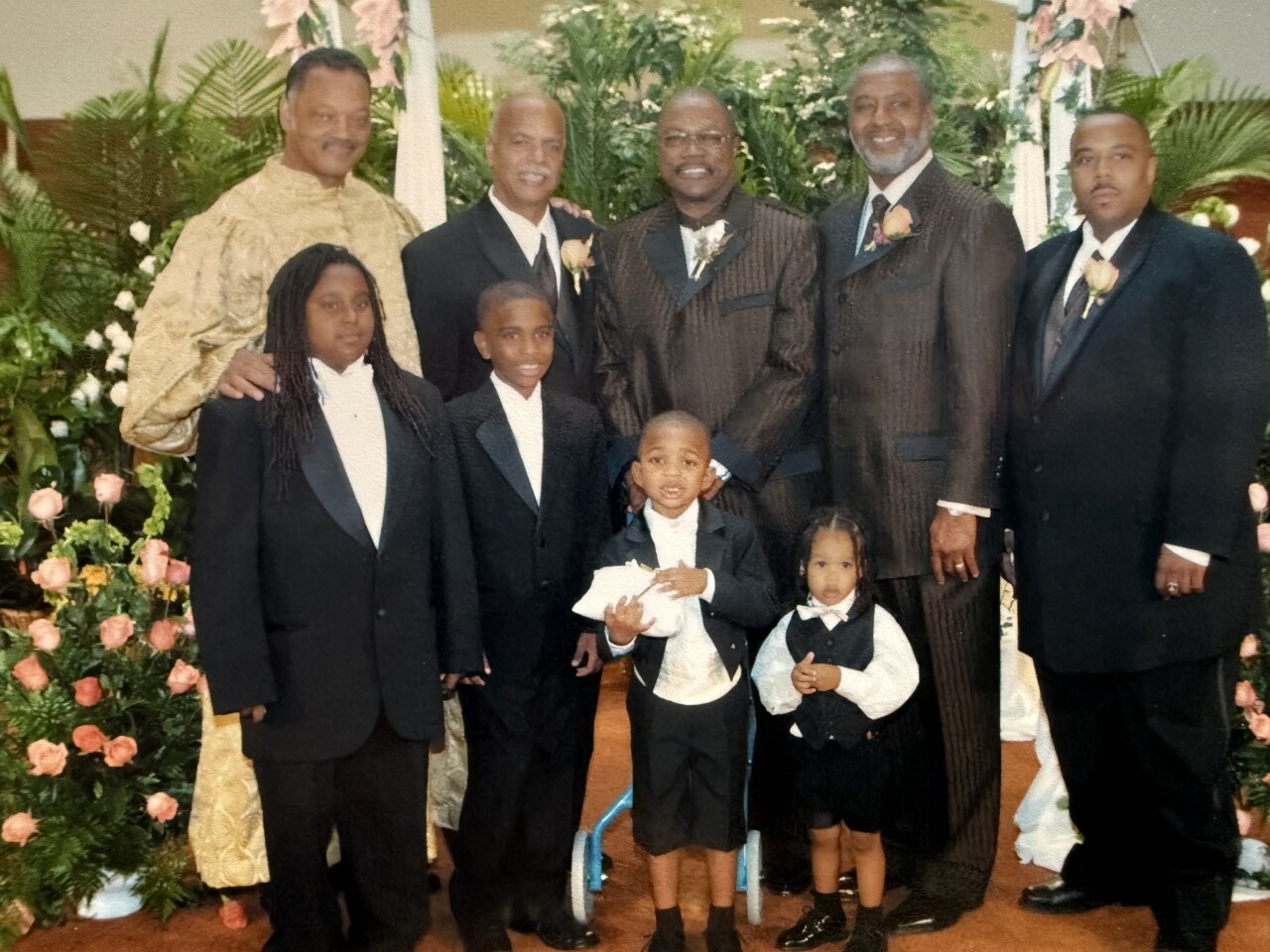
Anthony said Jackson understood that strong, healthy family life was at the core of all the changes he fought for in communities.
"It impacts everything. It impacts your self-esteem, it impacts your education, it impacts your ability to have a stable, functioning household," Anthony said. "It impacts the fact that economically, you could not be secure. It leads to gangism. It leads to people who don't feel like they're a part of. So the family is the nucleus."
Related video: Carolyn Clifford and Chuck Stokes discuss Rev. Jesse Jackson's impact in Detroit
For Anthony, Jackson's mentorship shaped his own vision as a leader. Jackson's famous declaration "I am somebody" wasn't just poetry — it was a real-life statement that resonated across communities.
"He said it, 'keep hope alive.' He said it by virtue of leading demonstrations and leading discussions around what it takes to keep communities whole and families whole," Anthony said.

When asked what message Jackson would share if he were here today, Anthony's response was clear: "Stand up. You got to stand up. You got to get involved. You got to get engaged. We've come too far to be turned back now. His message was standing up to those things that are wrong."
Related:
- Rev. Jesse Jackson 'has touched so many lives' in Detroit and worldwide
- Looking back at Jesse Jackson's past visits to Detroit and Michigan
- The Rev. Jesse Jackson, who led the Civil Rights Movement for decades after King, has died at 84
Anthony said Jackson's story transcends civil rights — it's about friendship, faith and building families, a vision Jackson carried throughout his life and one that must be passed on to future generations.
"If ever we needed hope, we sure enough need it now," Anthony said. "Not by just what we say, but by what we do."
——————
This story was reported on-air by a journalist and has been converted to this platform with the assistance of AI. Our editorial team verifies all reporting on all platforms for fairness and accuracy.

